Albania’s UNESCO heritage reflects the depth of its history, culture, and natural richness. The country is home to the ancient city of Butrint, a multilayered archaeological site spanning Greek, Roman, Byzantine, and Venetian civilizations, as well as the historic Ottoman-era towns of Berat and Gjirokastër, renowned for their distinctive architecture and preserved old quarters. Albania also contributes to the transnational natural site of the Ancient and Primeval Beech Forests of Europe, with protected forests in Rrajca within Shebenik–Jabllanicë National Park. In addition, UNESCO recognizes Albania’s living traditions through its Iso-Polyphony, a unique form of multipart singing from the south, and the traditional northern women’s garment, the Xhubleta. Together, these sites and cultural elements highlight Albania’s extraordinary blend of antiquity, architectural heritage, biodiversity, and enduring traditions:
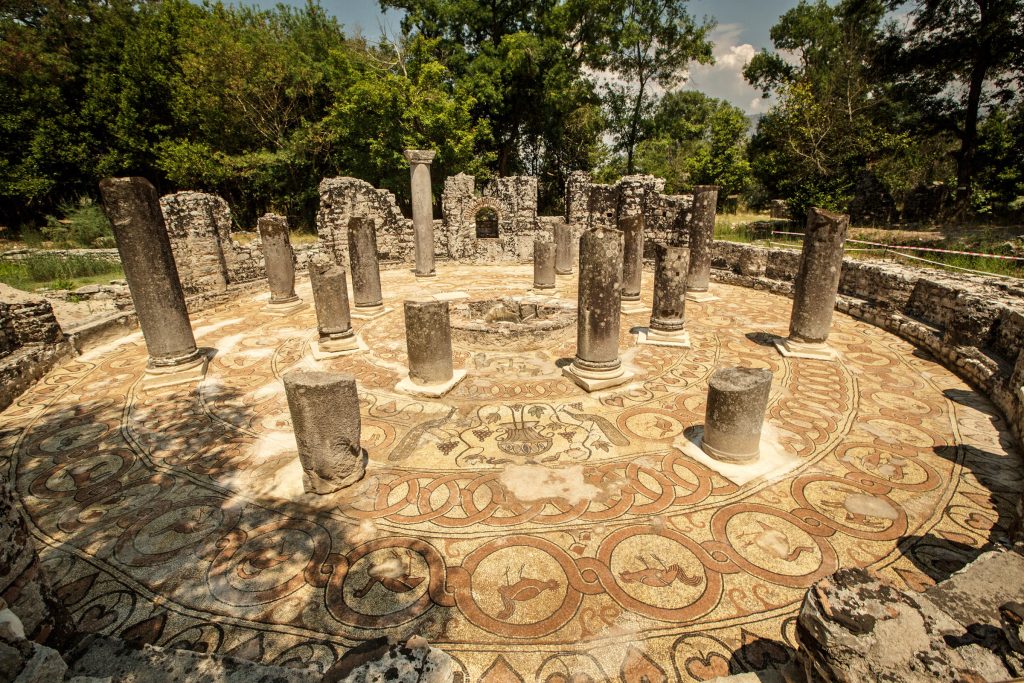
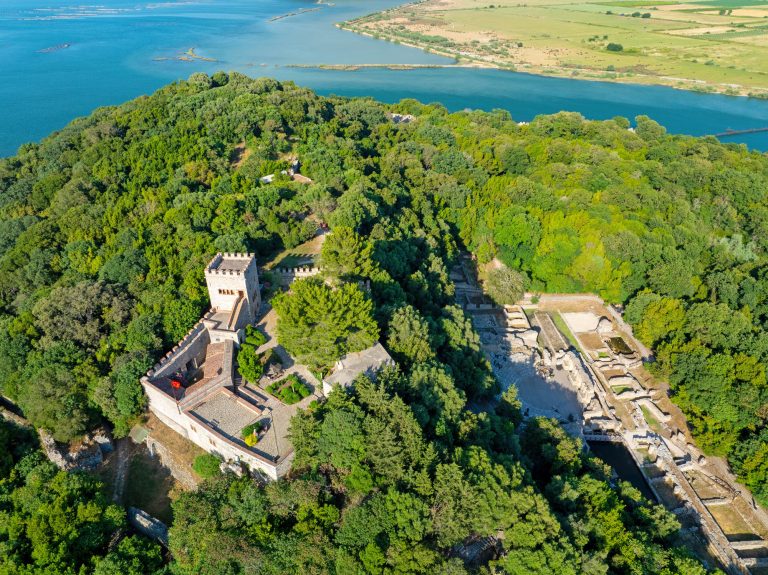
Butrint (World Heritage Site – Cultural)
An ancient city in southern Albania with Greek, Roman, Byzantine, and Venetian layers, Butrint is one of the Balkans’ most important archaeological sites, reflecting over 2,500 years of continuous civilization.
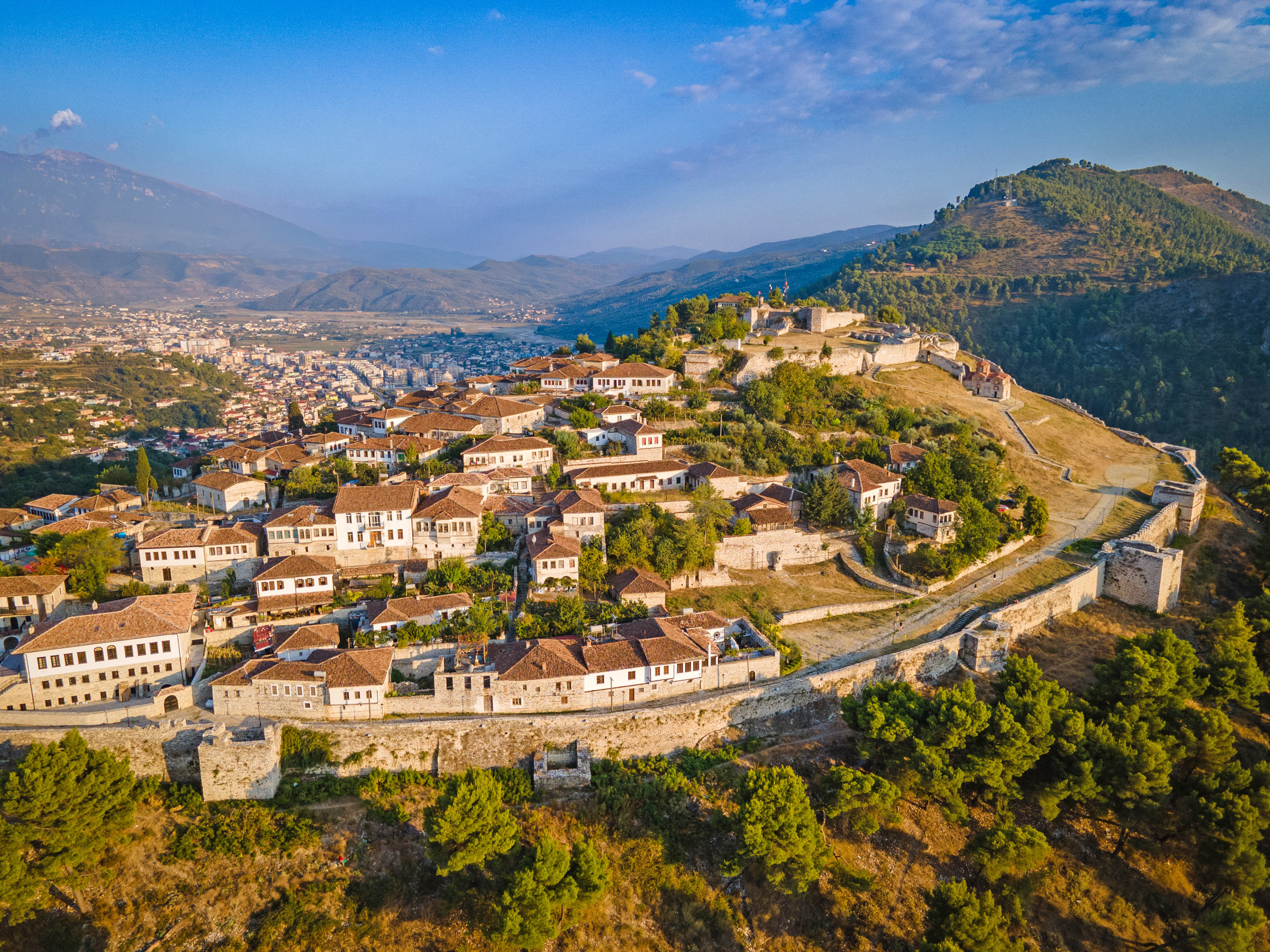
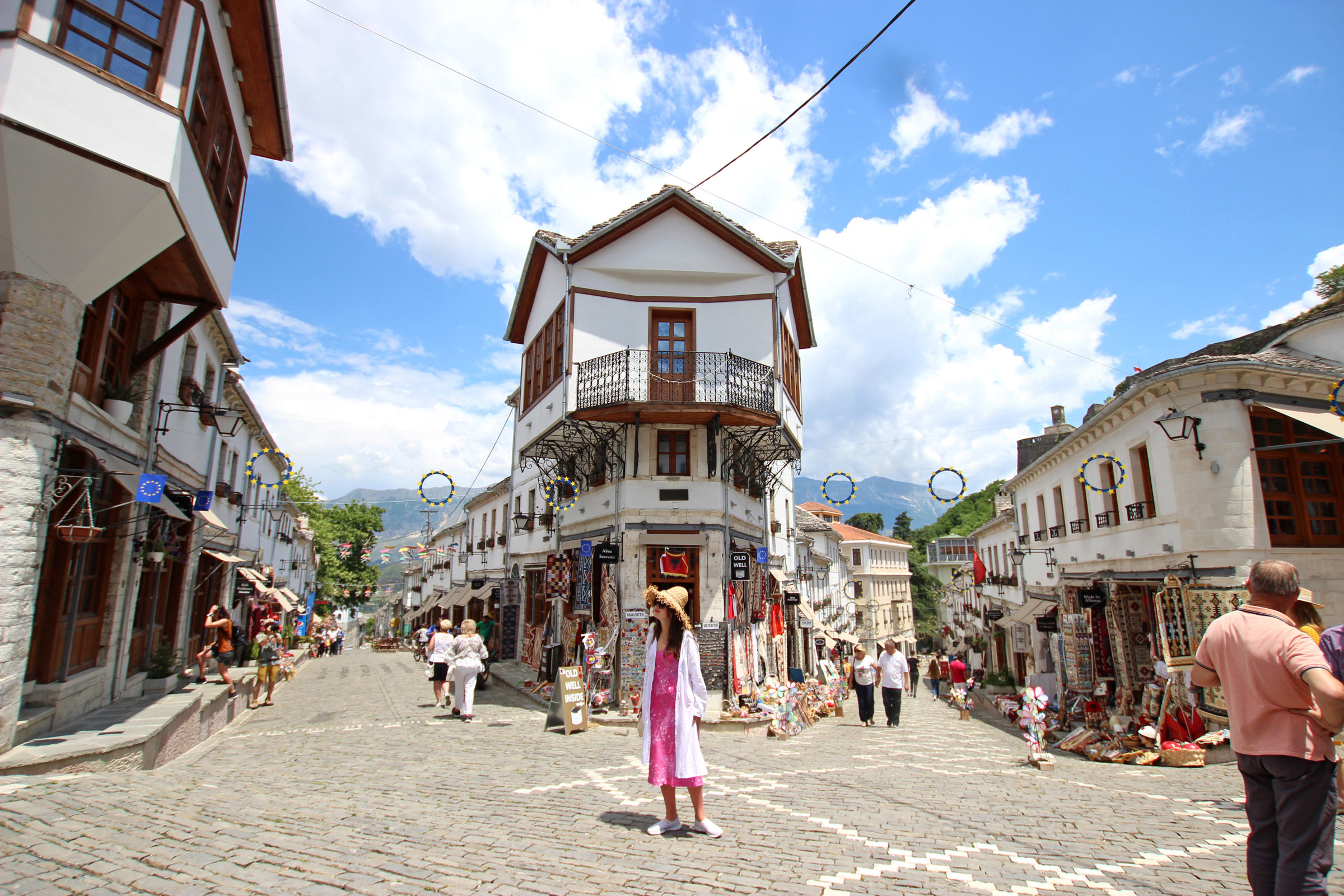
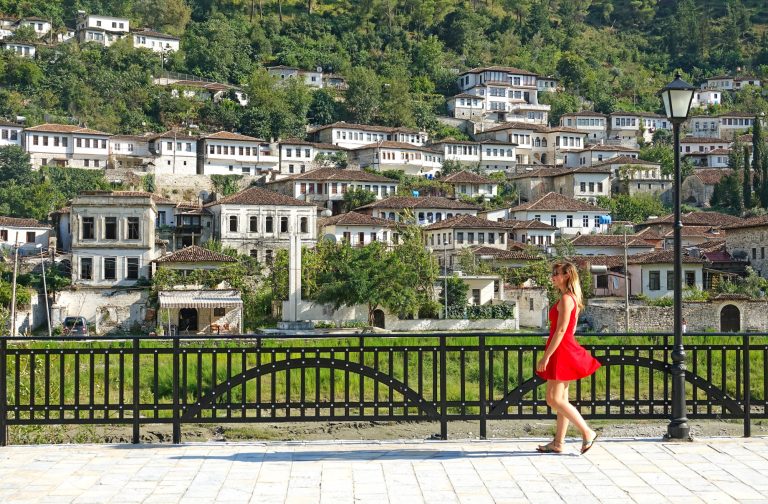
Historic Centers of Berat and Gjirokastër (World Heritage Site – Cultural)
Two remarkably preserved Ottoman-era towns known for their stone houses, castles, and harmonious architecture that illustrate Balkan urban traditions.
Ancient and Primeval Beech Forests of Europe (Rrajca, Shebenik–Jabllanicë) (World Heritage Site – Natural, Transnational)
Albania’s section protects rare primeval European beech forests, representing undisturbed natural ecosystems of exceptional ecological value.
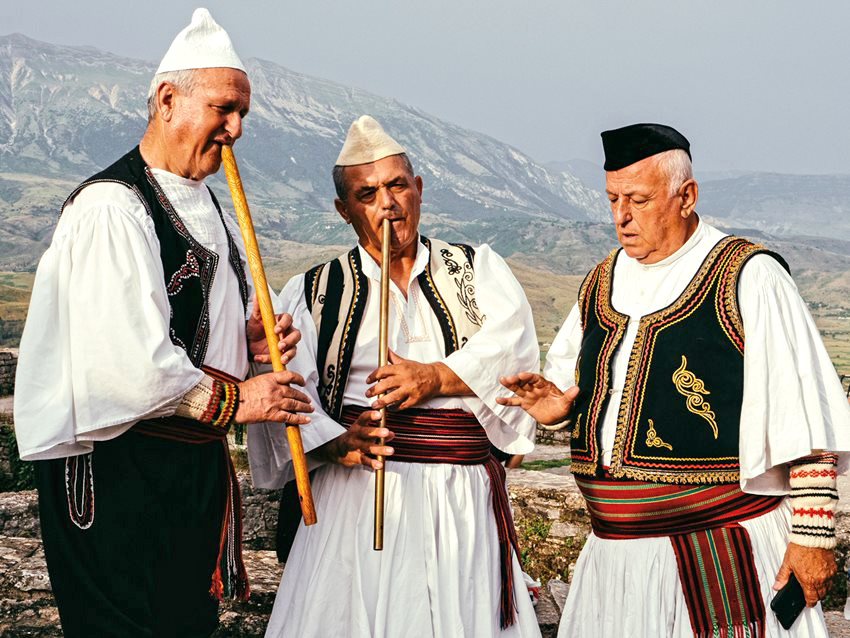
Albanian Iso-Polyphony (Intangible Cultural Heritage)
A traditional multipart singing style from southern Albania, recognized for its complex vocal harmony and deep-rooted community significance.
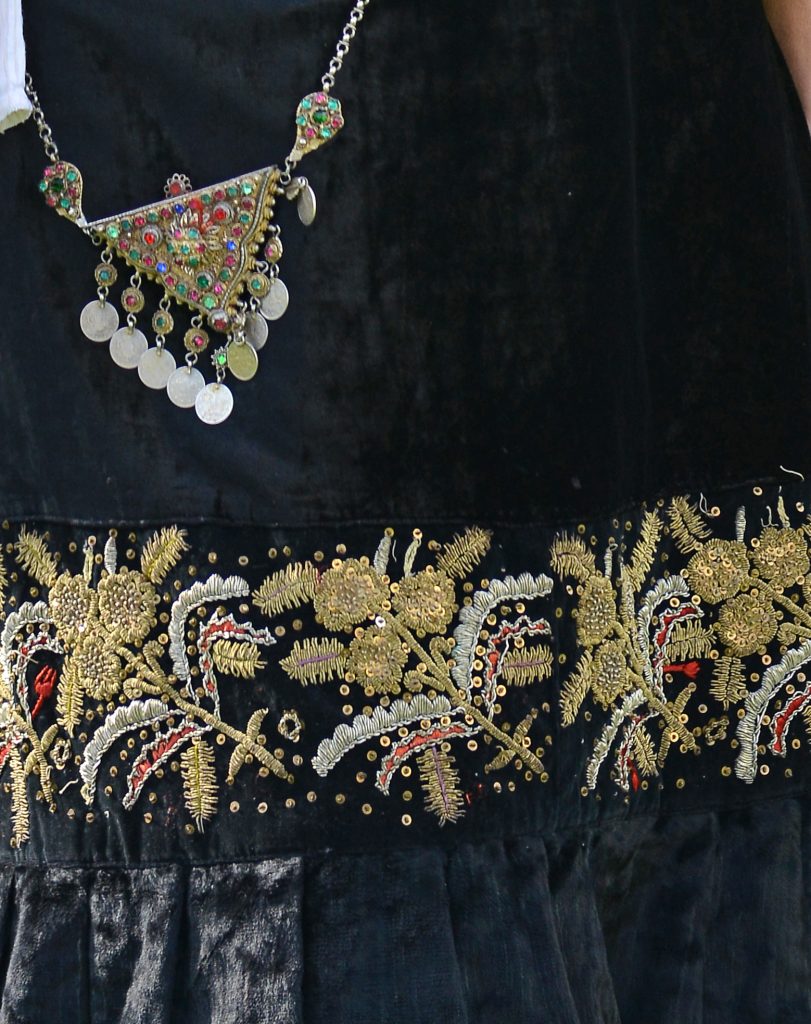
Xhubleta (Traditional Northern Women’s Garment) (Intangible Cultural Heritage)
An ancient bell-shaped wool garment from northern Albania, preserved through craftsmanship and symbolic patterns passed down through generations.
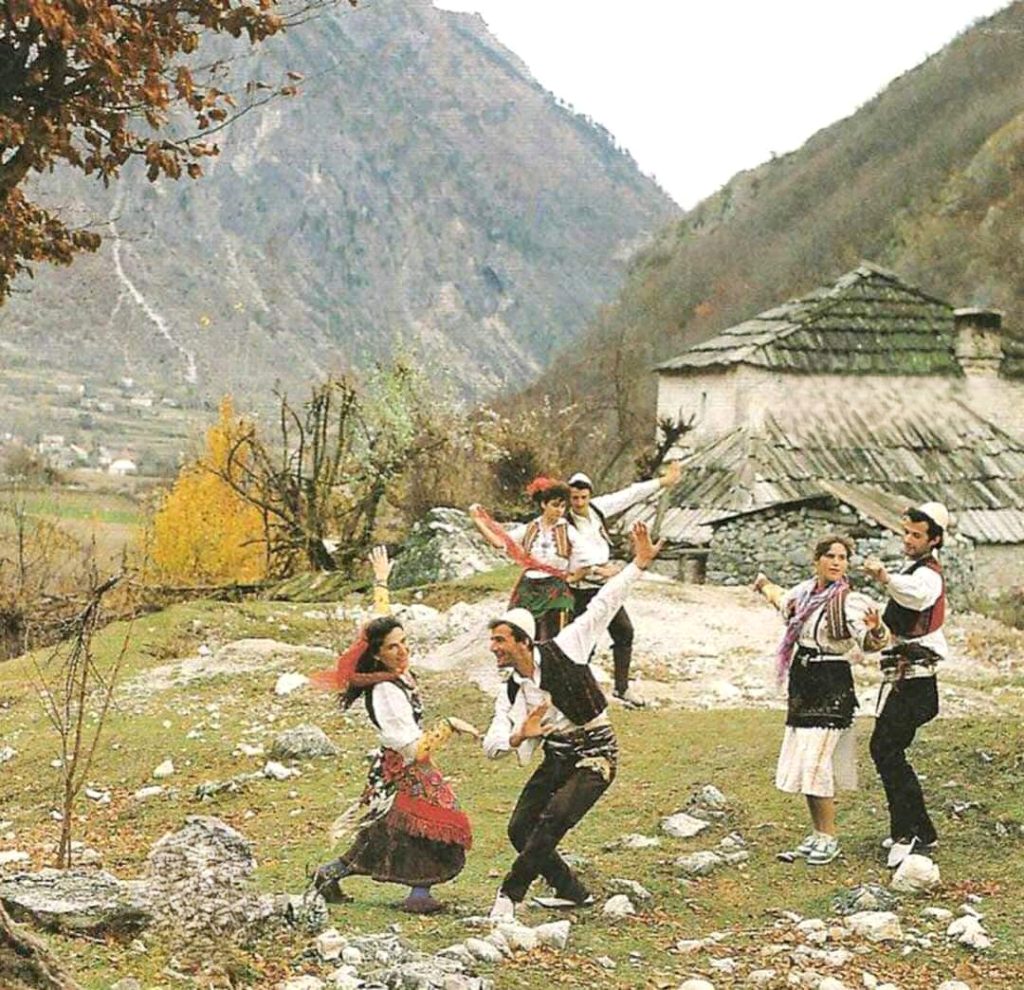
K’cimi i Tropojës (Vallja e Tropojës)
A dynamic and energetic traditional dance from northern Albania, reflecting highland identity, communal celebration, and intergenerational cultural continuity.
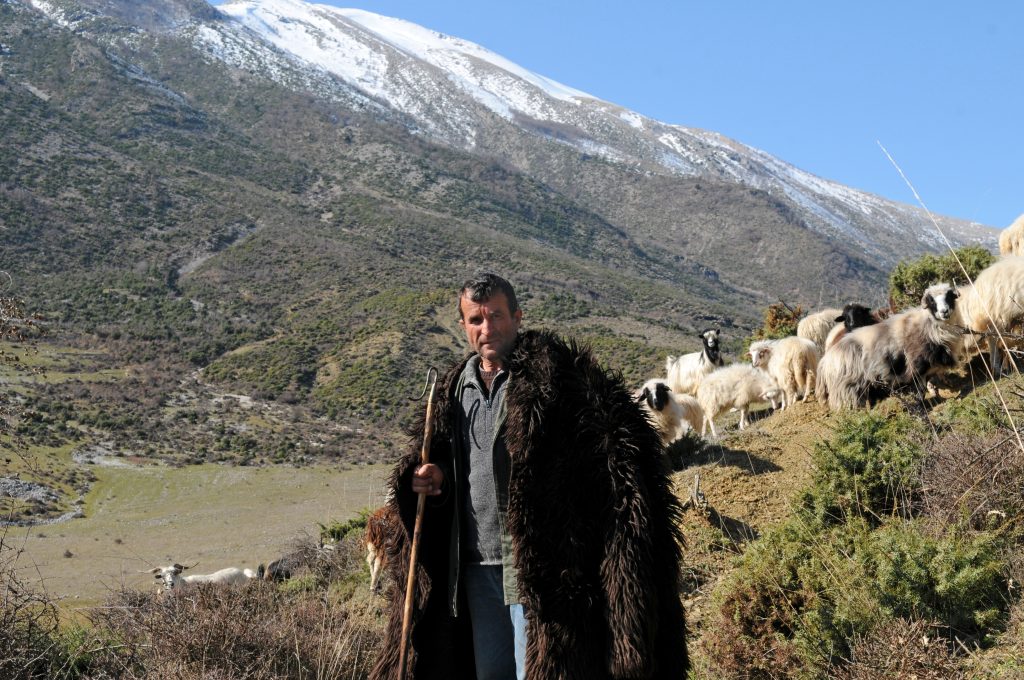
Transhumance
Witnessing a timeless connection between people, animals, and the land, a centuries-old tradition. Albania joined Italy, Austria and Greece, which were included in UNESCO in 2019, for the ancient tradition of cattle migration (transhumance).