Montenegro, a small yet stunning country located in Southeast Europe along the Adriatic Sea, has emerged as a popular tourist destination known for its natural beauty, rich history, and cultural diversity. Montenegro presents a unique blend of natural beauty, adventure, and cultural richness that appeals to a wide range of tourists. With its ongoing development in tourism infrastructure and sustainable practices, Montenegro is poised to become a leading destination in the Balkans, captivating visitors with its charm and diversity.
Montenegro boasts a varied landscape, including pristine beaches along the Adriatic coast, rugged mountains, and picturesque lakes. Key geographical features include the Bay of Kotor, Durmitor National Park, and Lake Skadar (Shkoder) and beeches of Ulqin (Ulcinj). The country experiences a Mediterranean climate along the coast, with hot, dry summers and mild winters, while the interior mountainous regions have a humid continental climate with colder winters.
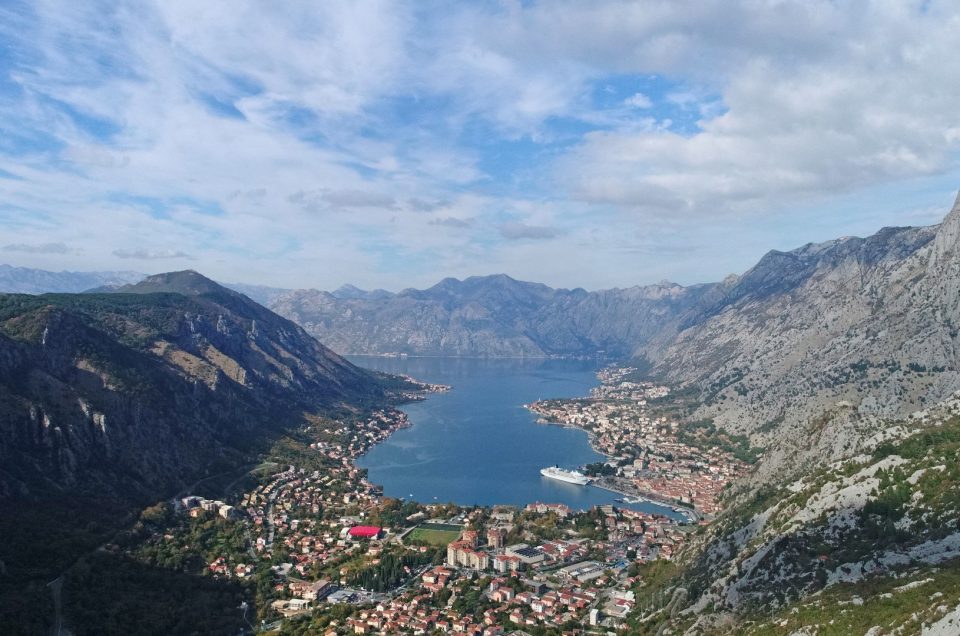
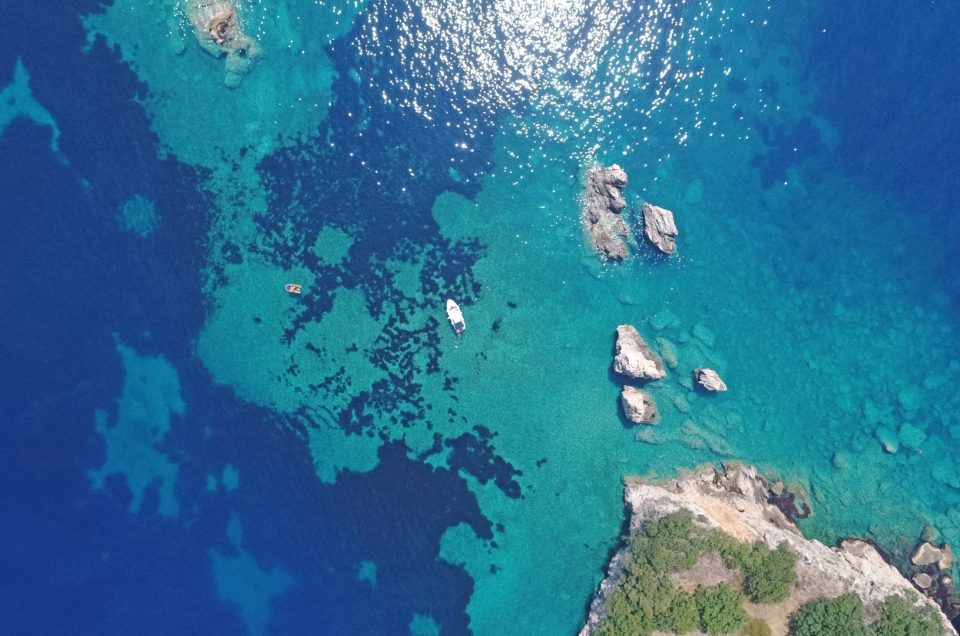
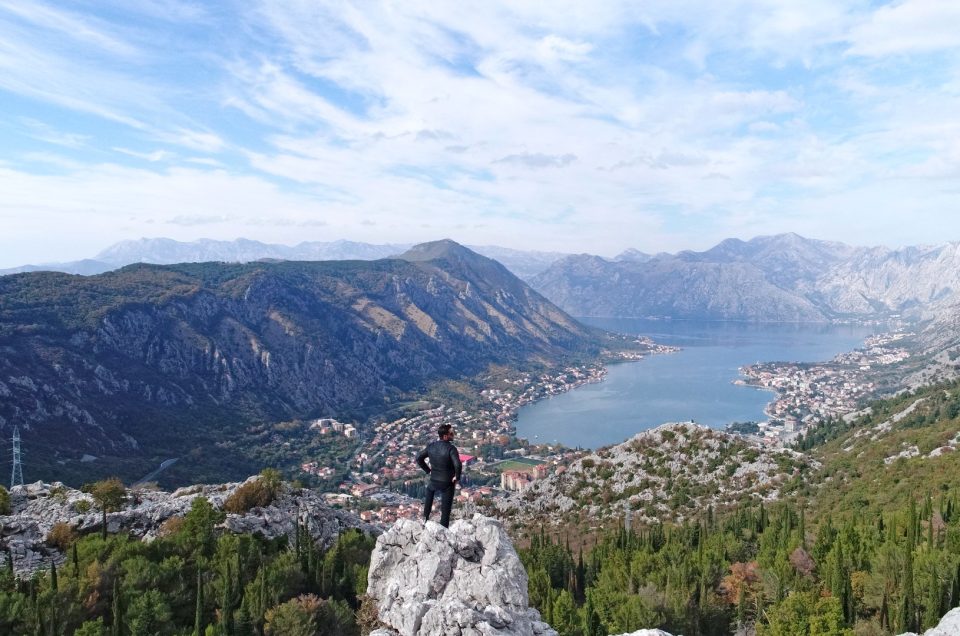
A UNESCO World Heritage Site, known for its medieval architecture, the fjord-like Bay of Kotor, and the charming old town. Nearby Risan was the residence of Illyrian Queen Teuta.
-Famous for its vibrant nightlife, beautiful beaches, and historic Old Town, Budva is often referred to as the "Montenegrin Riviera."
Home to Porto Montenegro, a luxury marina and resort, Tivat is ideal for upscale tourism and yachting.
-It is known for its rich history, diverse culture, beautiful beaches, and vibrant nightlife, making it a popular destination for both local and international tourists.
The historical capital with significant cultural and architectural sites, including the Cetinje Monastery and various museums.
A paradise for outdoor enthusiasts, offering hiking, skiing, and opportunities to see stunning landscapes such as the Black Lake
Montenegro is a haven for hiking, mountain biking, rafting in the Tara River Canyon, and skiing in the winter.
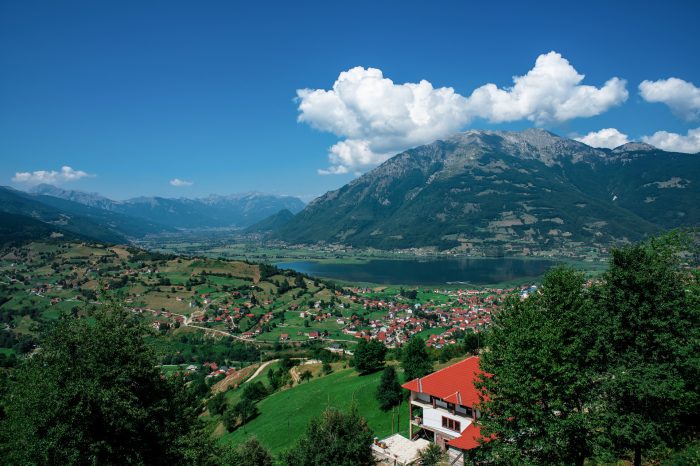
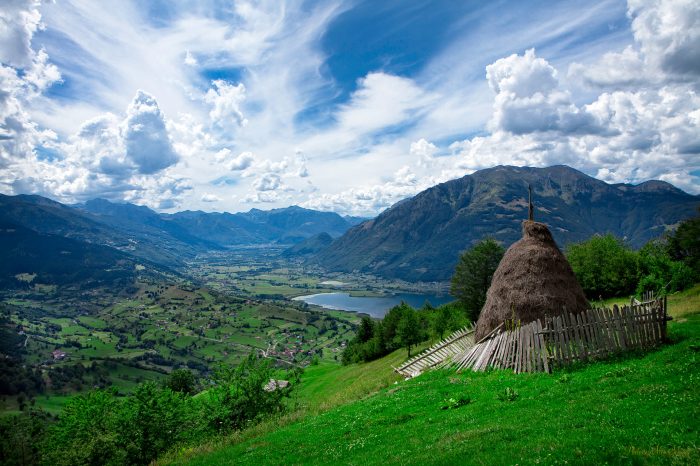
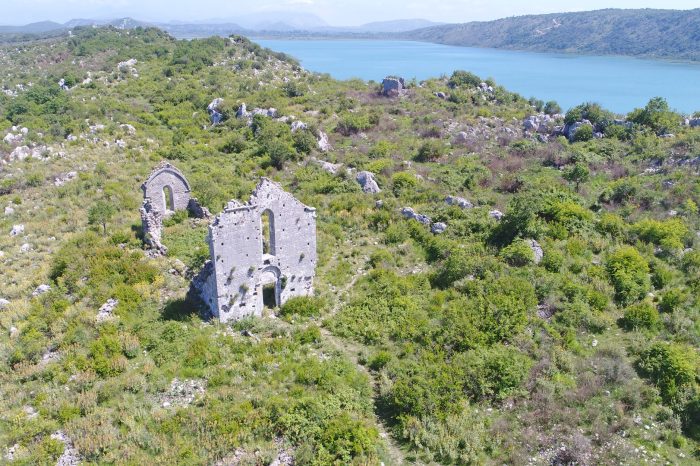
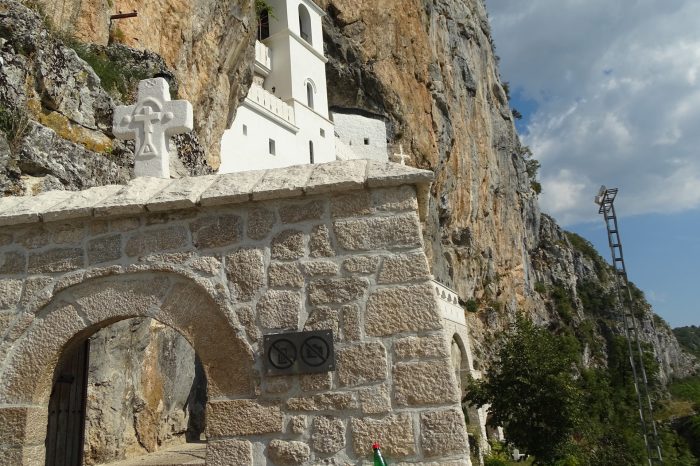
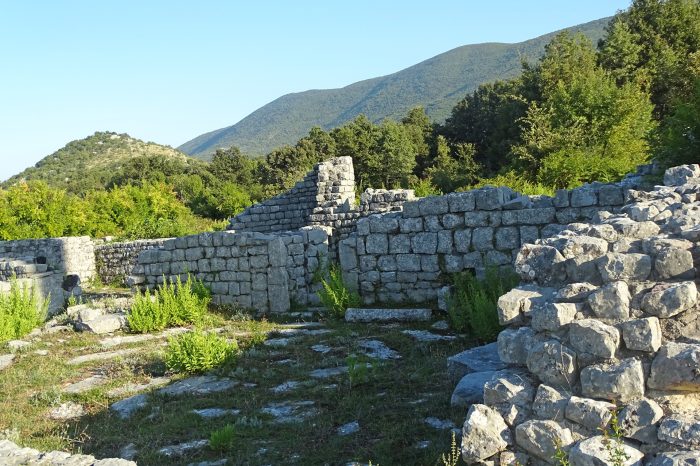
Rich in history, the country features numerous churches, monasteries, and fortresses, including the Ostrog Monastery and the ancient ruins of Roman cities, including Illyrian/Roman city of Duklja
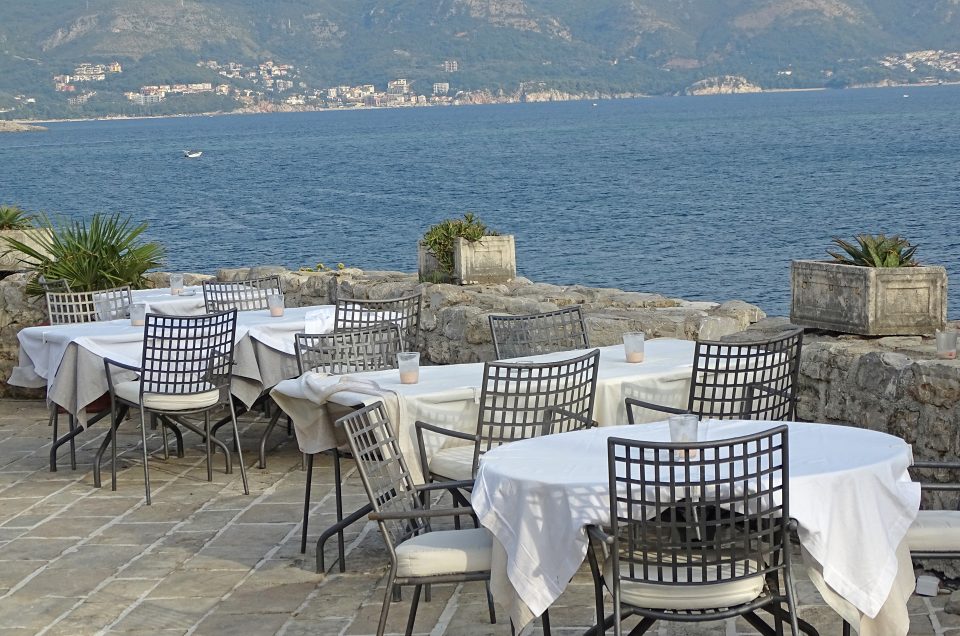
Montenegrin cuisine combines Mediterranean and Eastern European flavors, with seafood, locally sourced produce, and a variety of wines.
Sustainable tourism initiatives are growing, focusing on protecting nature and wildlife while offering authentic experiences.
The main international airport is Podgorica Airport, with Tivat Airport serving as a secondary hub. Seasonal flights increase accessibility during the summer months. Buses are the primary mode of intercity transportation, while car rentals are popular for exploring the scenic coastal and mountainous areas.
As tourism grows, there are ongoing efforts to improve infrastructure, accommodations, and visitor services. The Montenegrin government is actively promoting sustainable tourism practices to ensure that the natural and cultural heritage is preserved for future generations. This includes initiatives such as waste management programs, eco-friendly transportation options, and the protection of natural reserves.
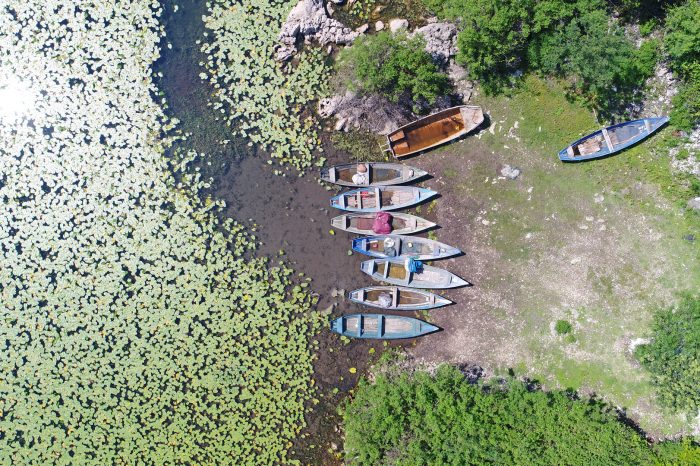
In addition to its breathtaking landscapes, Montenegro is also steeped in a rich tapestry of history and culture. The local traditions, folk music, and diverse cuisine reflect the influences from various cultures, making it a fascinating destination for cultural enthusiasts. Tourists can participate in local festivals, workshops, and culinary experiences that provide deeper insights into Montenegrin life and heritage.
For visitors seeking relaxation, Montenegro offers an array of wellness retreats and spa facilities, where they can unwind and rejuvenate against a backdrop of stunning natural beauty. The tranquil atmosphere, combined with the warm hospitality of the locals, creates a welcoming environment that encourages longer stays and return visits
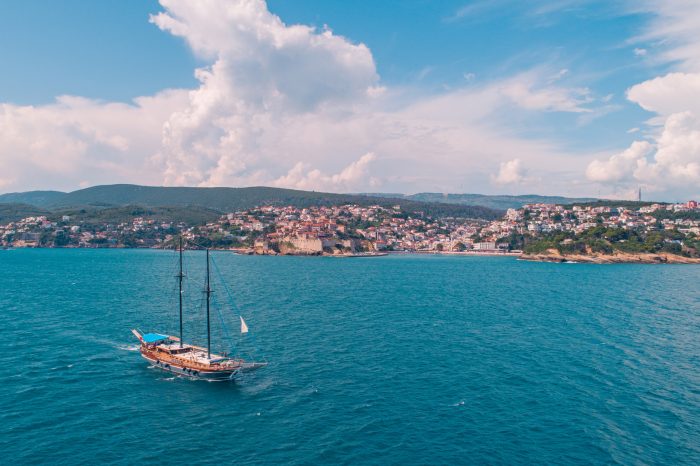
In summary,
With its beautiful landscapes, rich history, and vibrant local culture, it offers a diverse range of experiences for travelers. As it grows into a prominent tourist destination, visitors can expect to find unique opportunities for exploration, relaxation, and connection in this remarkable country. Whether you’re drawn to its stunning coastlines, majestic mountains, or historical sites, Montenegro promises an unforgettable travel experience that will leave you longing to return.
Geographical areas along the border with Albania have historically been inhabited by Illyrian and Albanian populations; thus, they possess a cultural heritage primarily rooted in Albanian traditions. However, these regions are increasingly becoming ethnically diverse. The following are some of the main cities and towns predominantly populated by Albanians:
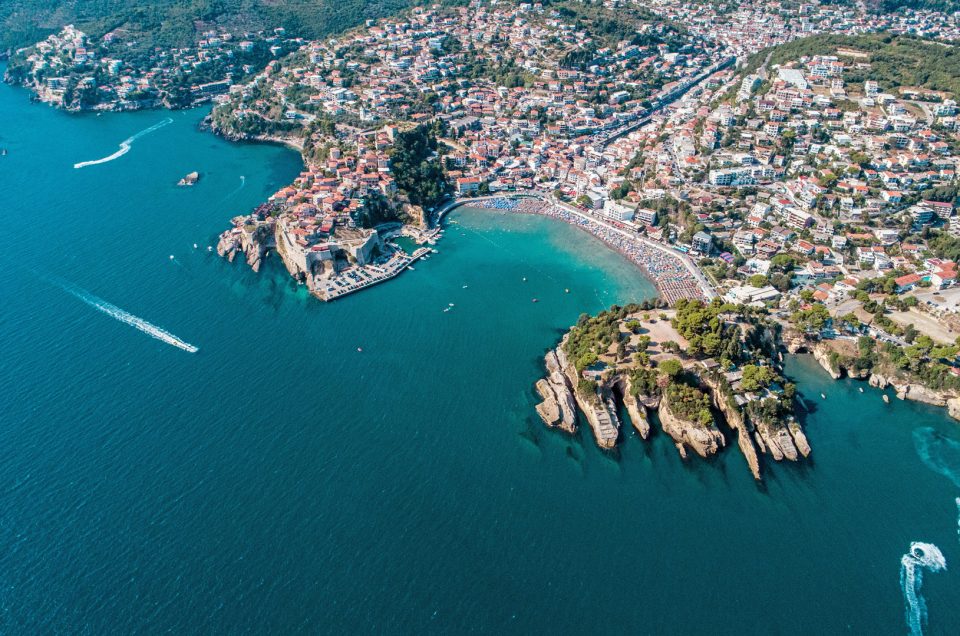
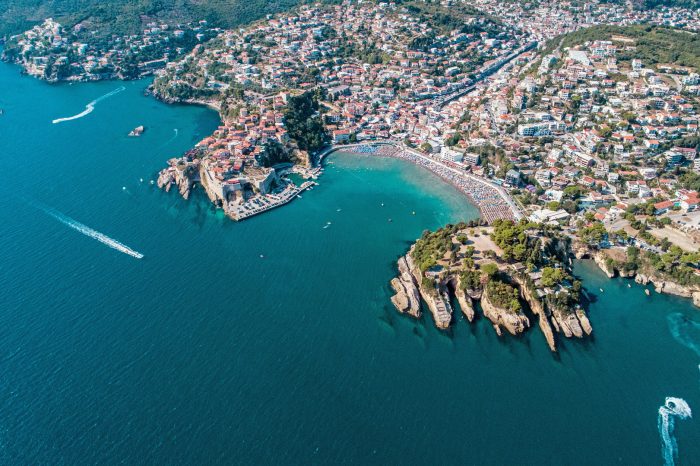
Ulcinj, Albanian pronunciation is Ulqin, is a picturesque coastal town located in southern Montenegro, near the border with Albania. It is known for its rich history, diverse culture, beautiful beaches, and vibrant nightlife, making it a popular destination for both local and international tourists. Ulqin is one of the oldest towns on the Adriatic coast, with a history that dates back to ancient times. It has been found by Illyrian and influenced by various civilizations, including Romans, Byzantines, Ottomans, and Venetians.
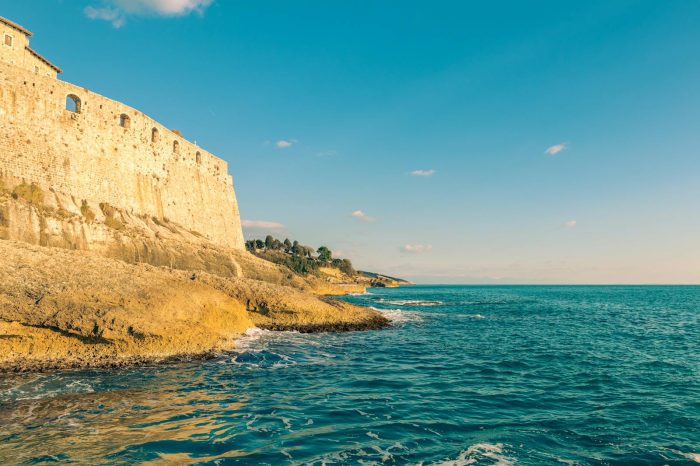
Ulqin is a captivating destination that combines natural beauty, cultural richness, and a variety of recreational activities. With its stunning beaches, historical sites, and vibrant atmosphere, it continues to attract visitors looking for both relaxation and adventure along Montenegro’s beautiful Adriatic coast. The town is home to several historical sites, such as the Old Town (Stari Grad) also referred to as Kalaja, which features Venetian-style architecture and ancient city walls. The Ulqin Fortress offers panoramic views of the Adriatic Sea and the surrounding area. Ulqin boasts some of the most beautiful beaches in Montenegro, including:
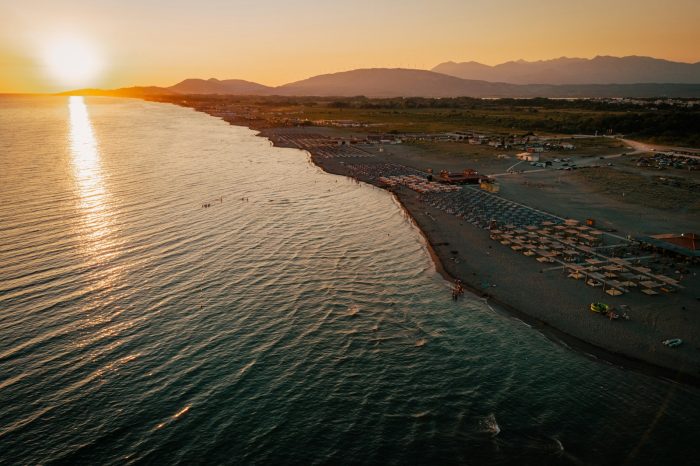
(Grand Beach), (Velika Plaža), a sandy beach stretching approximately 12 kilometers, famous for its fine sand and clear waters. It is a popular spot for sunbathing, swimming, and water sports.
(Little Beach),(Mala Plaža), a smaller beach near the Old Town, ideal for families and those looking for a more relaxed atmosphere.
Old Town (Stari Grad), a maze of narrow streets, vibrant shops, cafes, and historical landmarks, the Kalaja is a must-visit for anyone wanting to explore Ulqin’s rich past.
This museum offers exhibits on the history and culture of the region, showcasing artifacts from its varied past.
Known for their unique ecosystem and biodiversity, these salt pans are a significant area for birdwatching, particularly for migratory birds.
Ulqin is a popular destination for kitesurfing and windsurfing, especially at Plazha e Madhe (Grand Beach) where conditions are favorable for both amateur and experienced enthusiasts. The town has a lively nightlife scene, with numerous bars, clubs, and beach parties attracting both locals and tourists during the summer months. Ulqin is renowned for its seafood, particularly fresh fish and shellfish dishes. Local restaurants often serve traditional Albanian/Montenegrin and Mediterranean cuisine.
Ulqin offers a range of accommodations, from luxury hotels to cozy guesthouses and budget-friendly options. Many places boast sea views and easy access to the beach. Ulqin is accessible via Podgorica Airport and Tivat Airport, followed by a scenic drive through Montenegro’s stunning landscapes. Public transportation, including buses and taxis, is readily available for visitors wanting to explore the town.
As Ulqin continues to develop as a tourist destination, it is crucial for visitors to engage with the local community, respecting cultural practices and traditions while enjoying the myriad experiences the town has to offer. Visitors can take part in local festivals and events that showcase the vibrant culture and heritage of the region.
In summary, Ulqin (Ulcinj) is a coastal gem that presents an enticing blend of historical significance, natural beauty, and recreational opportunities. From its stunning beaches and fascinating historical sites to its rich culinary landscape, Ulqin provides a unique experience that reflects the diverse cultural influences of the region. Whether you’re interested in exploring the ancient streets of the Old Town, enjoying water sports on the beaches, or savoring fresh seafood in a local restaurant, Ulqin is an unforgettable destination for anyone visiting Montenegro. As the town embraces its ethnic diversity, it remains a welcoming place for all who seek to explore its unique charm and heritage.
Bar, referred to as Tivar in Albanian, is a significant coastal town that serves as an essential port in Montenegro, situated along the Adriatic Sea. With a rich historical background tracing back to antiquity, Tivar originated as an Illyrian settlement tied to the ancient Ilyrian civilization, and historical accounts highlight its prominence as a major center during Roman times. Over the centuries, the town has been influenced by a variety of civilizations, including the Romans, Byzantines, Ottomans, and Slavs.
As an important port steeped in history, Tivar is an appealing destination for tourists. The Old Bar, or Qyteti i Vjeter (Stari Bar), features ruins from various periods, reflecting Illyrian, Roman, Byzantine, and Ottoman influences. This fortified area is notable for its ancient stone walls, churches, mosques, and the remnants of forts. Key highlights include the Church of St. George and the historic aqueduct. Although much of the old town is in ruins, it continues to exude a historical charm that enchants visitors.
Tivar is home to a diverse range of ethnic communities, including Montenegrins and Albanians, which is evident in the local customs, cuisine, and festivals. In the past two decades, the town has seen a significant influx of Russian residents. Strategically located along the coast, Tivar serves as a gateway between Montenegro and its neighboring countries, and it is also in close proximity to Liqeni i Shkodres ( Skadar Lake) one of the largest lakes in the Balkans. Its Mediterranean climate, characterized by warm summers and mild winters, makes Bar an attractive destination throughout the year. Tivar presents a captivating blend of history, culture, and natural scenery, offering visitors a variety of experiences, from exploring ancient sites to relaxing on the beach. Its strategic coastal location further positions it as an essential travel hub, encouraging travelers to discover both its local attractions and the broader highlights of Montenegro. Whether one’s interests lie in history, nature, or simply soaking up the sun, Tivar caters to every type of traveler.
Tivar also features several beautiful beaches and tourist attractions, such as:
A well-known sandy beach near Tivar, celebrated for its lively atmosphere and numerous beach bars.
Situated close to the former royal palace, this beach offers breathtaking views and crystal-clear waters.
This port functions as Montenegro's primary maritime entry point and serves as a central hub for ferry services to Italy and Albania.
(Skadar Lake) National Park: Situated nearby, this park is famous for its rich biodiversity, excellent birdwatching prospects, and picturesque scenery. It is an ideal location for hiking, kayaking, and discovering local plant and animal life.
This museum offers exhibits on the history and culture of the region, showcasing artifacts from its varied past.
Visitors can discover the ruins of Old Bar, also known as Tivari i Vjeter, (Stari Bar) as well as archaeological sites, and delve into the town's history at the local museum.
Tivar provides a variety of water sports, such as swimming, sailing, and jet skiing. Its clear waters are also superb for snorkeling and diving. The town boasts a lively nightlife with numerous restaurants, cafes, and bars, many featuring traditional Montenegrin dishes and fresh seafood. Tivar is easily accessible by road and rail, with a newly established railway connecting it to Podgorica and Belgrade. Additionally, bus services run between Tivar and other prominent cities along the Montenegrin coast. The Port of Tivar plays a crucial role as a commercial and ferry port, facilitating the transport of goods and passengers to various other Adriatic destinations.
Tuzi is a small town and municipality in Montenegro, located near the capital city of Podgorica, and is predominantly inhabited by Albanians. It is celebrated for its cultural diversity, historical importance, and emerging urban development. As a compact yet lively town, Tuzi captures the essence of Montenegro’s multicultural identity. Its advantageous proximity to Podgorica provides residents with access to urban amenities while allowing for a more relaxed lifestyle amid the natural beauty of the surrounding landscape. With its rich history, local customs, and expanding community, Tuzi exemplifies the character of Montenegro’s smaller towns and highlights the Albanian influence on the nation’s broader cultural scene.
Situated roughly 15 kilometers south of Podgorica, Tuzi is easily accessible, making it an appealing destination for those desiring tranquility while remaining close to the capital. Nestled in a valley and enveloped by hills and fertile greenery, the town is traversed by the nearby River Cem, known as River Cijevna in Montenegrin that originates in Albania. This picturesque setting enhances the area’s allure and offers numerous opportunities for outdoor activities. Traditionally an Illyrian/Albanian settlement, Tuzi is now characterized by its ethnic diversity, primarily featuring Albanian and Montenegrin Muslim communities. This mix creates a rich cultural tapestry that is reflected in the local traditions, language, and festivals.
Despite its small size, Tuzi boasts several cultural and religious sites, including churches and mosques that illustrate its diverse demographic. The town also hosts various cultural and community events, showcasing the traditions of its inhabitants through music, dance, and culinary displays, which attract visitors from the surrounding regions and Diaspora.
Regarding outdoor activities, the surrounding environment is ideal for hiking, picnicking, and exploring the stunning scenery of the Zeta Valley, particularly during the spring and summer months. The economy of Tuzi primarily relies on agriculture, with the fertile land supporting the cultivation of fruits, vegetables, and olives.
Tuzi is conveniently located near major roadways that connect to Podgorica and other regions of Montenegro, ensuring easy accessibility by car or bus. Public transportation is also available for commutes to the capital.
Plavë and Guci are two picturesque towns located in the northeastern part of Montenegro, close to the border with Albania and populated mainly by Albanians. They are situated in the region known as Albanian Apls or as the Bjeshket e Nemura (Prokletije Mountains), renowned for its stunning natural landscapes, rich history, and cultural diversity. Both towns offer a unique blend of natural beauty, rich cultural heritage, and outdoor activities that make them appealing for tourists. The stunning landscapes of the Bjeshket e Nemura (Prokletije Mountains), combined with historical sites and local culture, create a memorable experience for anyone visiting this beautiful region of Montenegro.
Plava sits at an altitude of about 1,000 meters above sea level and is surrounded by mountains, making it a favorable destination for nature lovers and outdoor enthusiasts. The area is home to Liqeni i Plavës (Plav Lake), a stunning glacial lake that is a popular spot for fishing, kayaking, and hiking. The surrounding region features lush forests, waterfalls, and alpine meadows. Plava has a rich history and is known for its mixed cultural heritage, heavily influenced by Albanian, Montenegrin, and other cultures. The town has traditional architecture and several historical sites, including churches and mosques. It is increasingly becoming a tourist destination, attracting visitors who seek adventure tourism, such as hiking in the Bjeshket e Nemura (Prokletije) National Park and exploring surrounding natural wonders.
Gucia is located just south of Plavë, situated in a beautiful valley surrounded by mountains. The town is known for its traditional architecture and serene atmosphere. Gucia is characterized by its cultural diversity, with a population that includes ethnic Albanians and Montenegrins. This contributes to a vibrant local culture, evident in the food, festivals, and customs present in the area. The town has several historical landmarks, including the Mosque of Gucia and various old stone houses that reflect its historical importance as a market center and a trade route. Gucia serves as a gateway to various outdoor activities, including hiking, trekking, and exploring the Bjeshket e Nemura (Prokletije) National Park, which is known for its diverse flora and fauna.
Plavë and Guci are both charming towns that offer a unique blend of natural beauty, cultural richness, and opportunities for outdoor activities. They are ideal destinations for travelers looking to experience the stunning landscapes of Montenegro and explore its diverse cultural heritage. Visiting these two towns offers a range of attractions and activities for tourists looking to explore natural beauty, cultural heritage, and outdoor adventures. Here are some highlights and must-see spots in each town:
Liqeni i Plavës- a beautiful glacial lake with many is ideal for swimming, fishing, and kayaking. There are many natural karstic springs in the area, the most know is the Ali Pasha Spring and Skakavica. The surrounding area is perfect for picnics and offers stunning views of the mountains.
A protected area known for its dramatic landscapes, including peaks, valleys, and diverse flora and fauna. The highest picks are Pick of Kolata and and Peek of Rosit , 2,528 and 2,524 meters above the sea level respectively .There are numerous hiking trails suited for various skill levels.
(Grnčar Monastery) - a historical Orthodox monastery located near Plav, known for its serene environment and beautiful frescoes. It's a peaceful place for reflection and appreciation of local history.
(Husen Pasha Mosque), with the famous artistic blue arabesque on the ceiling of the mosque's highest dome and with the tallest minaret (42 m) in the Balkans.
(Stari Grad) - Explore the charming streets with traditional stone houses, offering a glimpse into the area’s history and architecture.
(Ljuboten Park) - A popular hiking destination near Plav, providing breathtaking panoramic views of the surrounding mountains and valleys.
The main attractions in Guci include:
Mosque of Gucia - This iconic mosque showcases local Islamic architecture and serves as a significant cultural and historical landmark for the town.
A nearby traditional Albanian village famed for its distinctive architecture and welcoming inhabitants, making it a wonderful place to immerse oneself in local customs and traditions.
Situated close to Guci, this picturesque canyon is ideal for those who appreciate natural beauty and photography, featuring breathtaking rock formations and rich biodiversity.
A stunning river that meanders through the area, perfect for fishing and enjoying nature. The surrounding landscape is also great for hiking and exploration.
Just a short drive from Gucia, this region is celebrated for its mountainous landscapes, charming villages, and opportunities for hiking and outdoor activities.
(Ljuboten Park) - A popular hiking destination near Plav, providing breathtaking panoramic views of the surrounding mountains and valleys.
Outdoor Activities Include:
Both towns offer access to a variety of trails suitable for different skill levels, allowing visitors to take in the breathtaking scenery of the Albanian Alps (Prokletije Mountains).
The region’s diverse ecosystems provide ample opportunities for photography and birdwatching, particularly in the national park and around the lakes.
Interact with local artisans, savor traditional Albanian and Montenegrin cuisine at local restaurants, and participate in cultural events or festivals during the appropriate seasons.
Follow us on:
Share this website:
Copyright ACC 2026