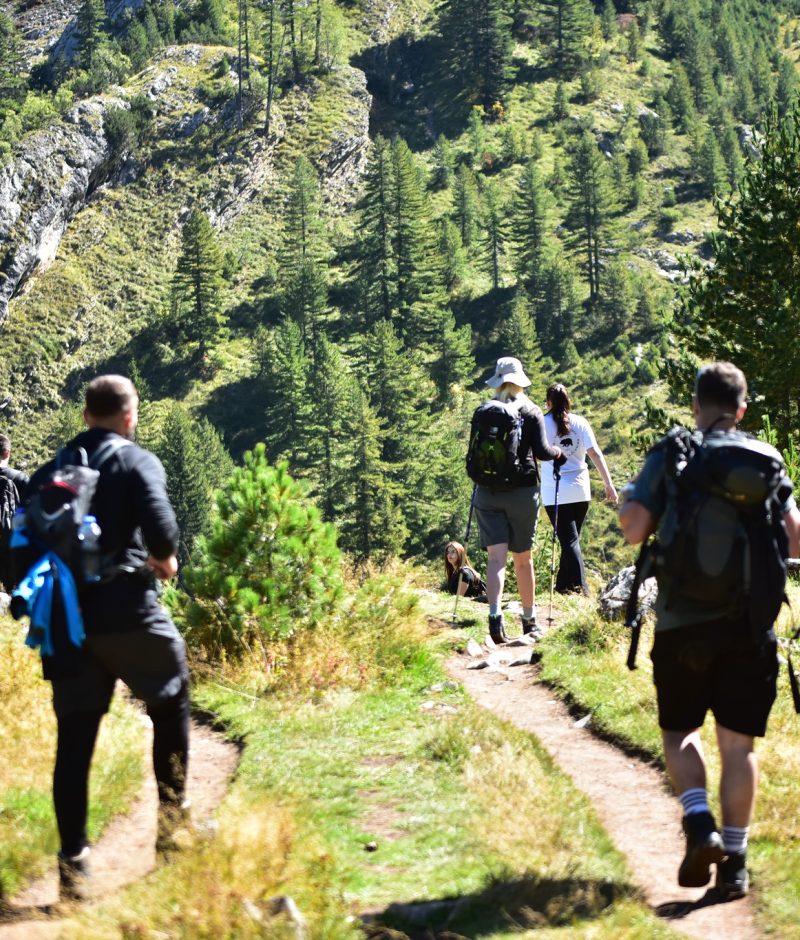
Kosova

Experience the vibrant culture, breathtaking landscapes, and timeless traditions of Albanians across borders—ready to inspire your next adventure.

Kosova (Kosovë) the Albanian pronunciation of the Serbian term Kosovo, which has has been partially adopted as an international pronunciation. In this document, we have utilized the Albanian pronunciation, while employing internationally recognized names for places that are the same when translated into Albanian. In cases where the name significantly differs in Albanian, we have occasionally used both Serbian and Albanian pronunciation.

Following Kosova’s Independence, tourism in Kosove has been gradually gaining attention and momentum in recent years, as an emerging sector with significant potential. By promoting its unique cultural heritage, stunning landscapes, and welcoming environment, Kosova aims to attract more visitors from around the globe. With ongoing investments in infrastructure and marketing, the tourism industry is expected to continue its growth, showcasing the country’s unique offerings to a broader audience.
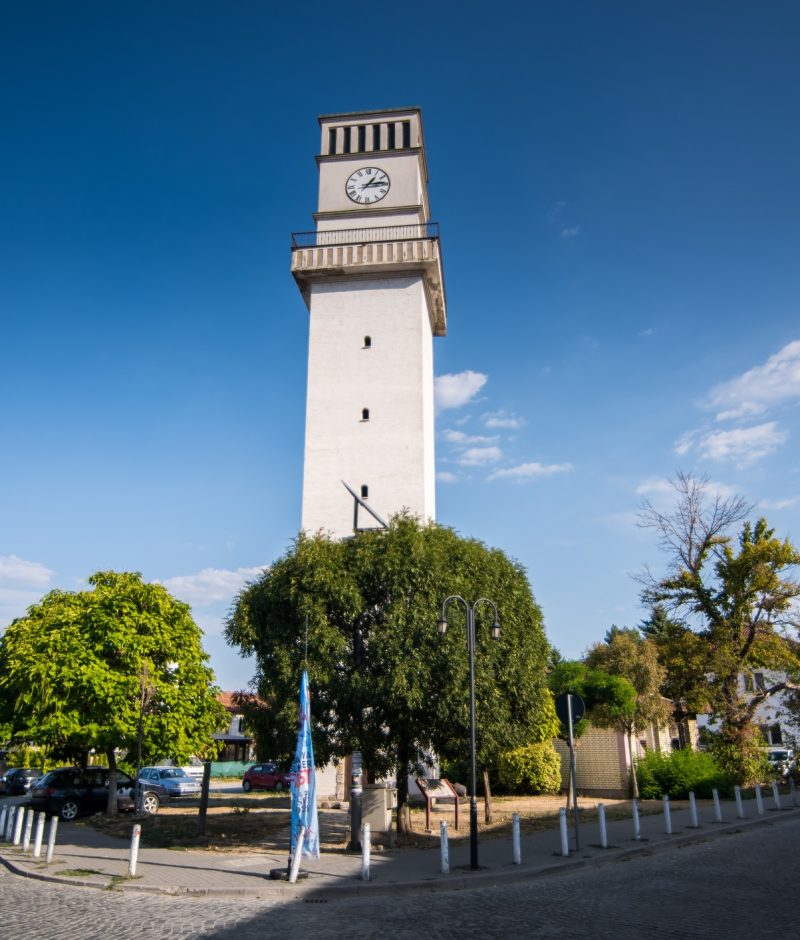
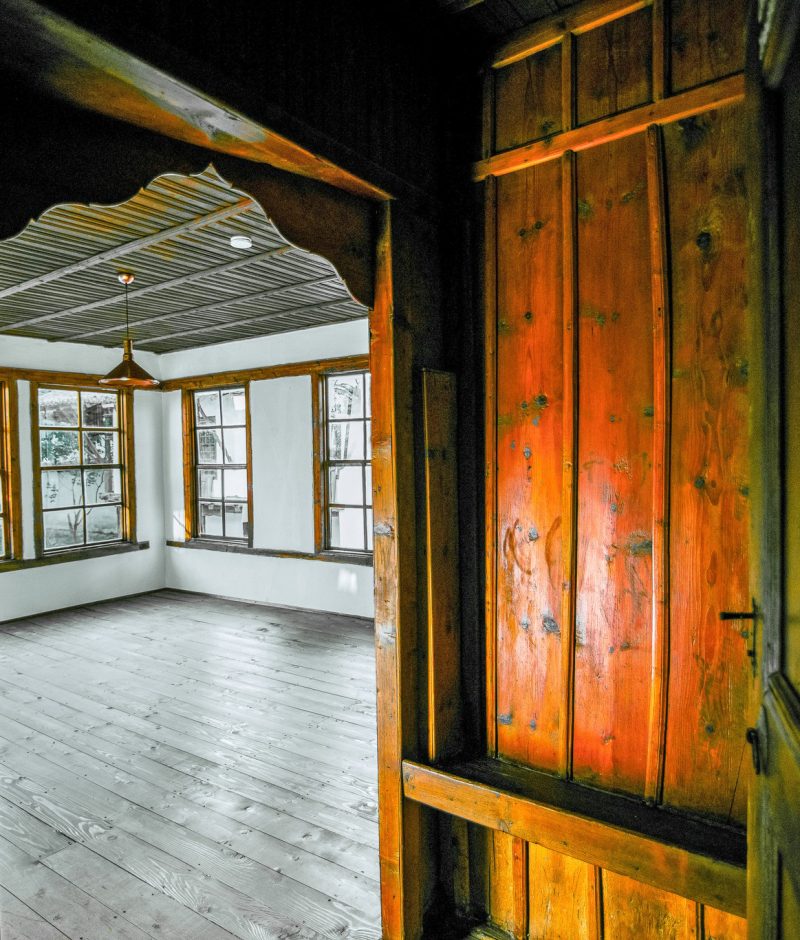
Cultural Heritage

Patriakana e Pejës

(Patriarchate of Peja) and Manastiri i Deçanit, both UNESCO World Heritage Sites. These sites reflect the rich history of the region, particularly its medieval Serbian and Albanian Orthodox heritage.

Prishtina

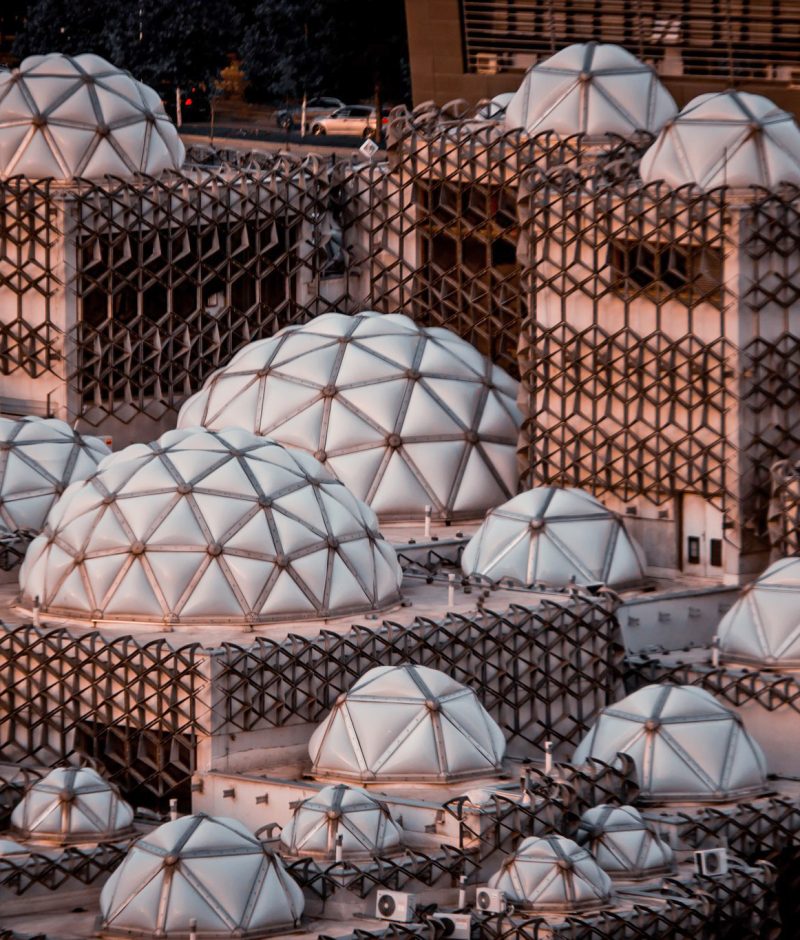
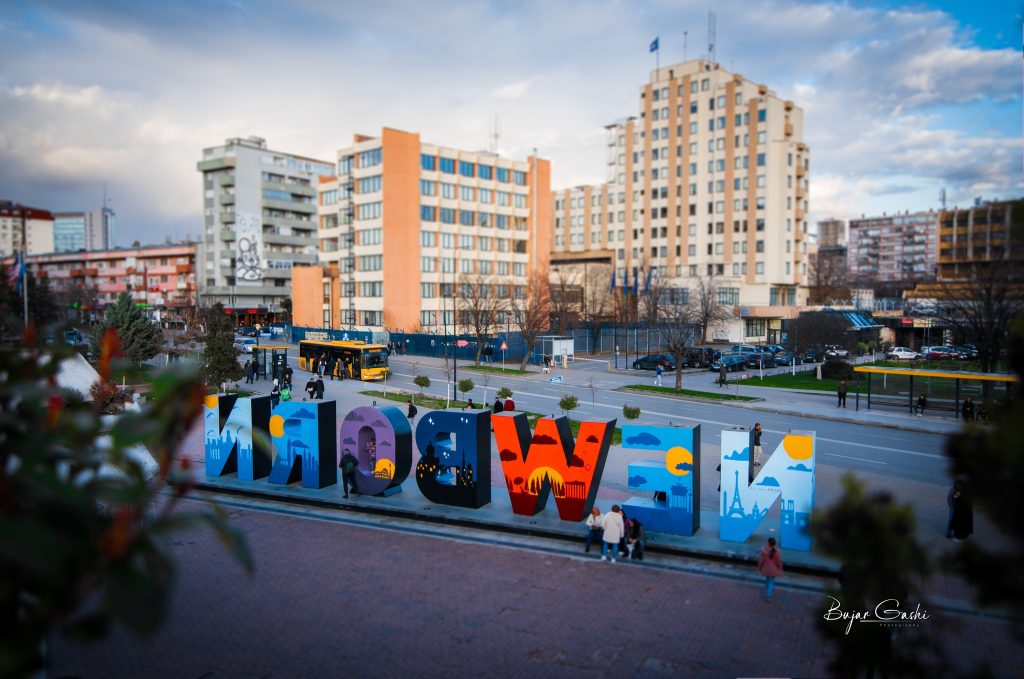
The capital, Prishtina, offers a mix of modernity and history, with attractions like the Newborn Monument, Mother Teresa Square, and the Imperial Mosque.

Gjakova

known for its old bazaar and craftsmanship, while Mitrovica features a diverse cultural tapestry, reflecting its complex history.

Prizren

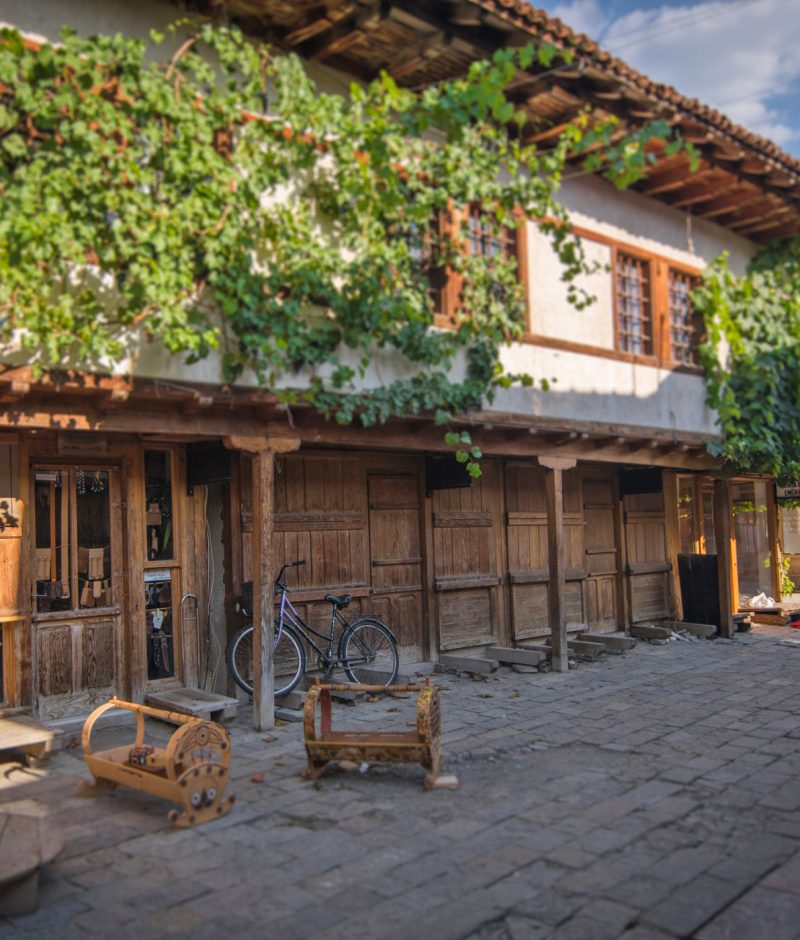
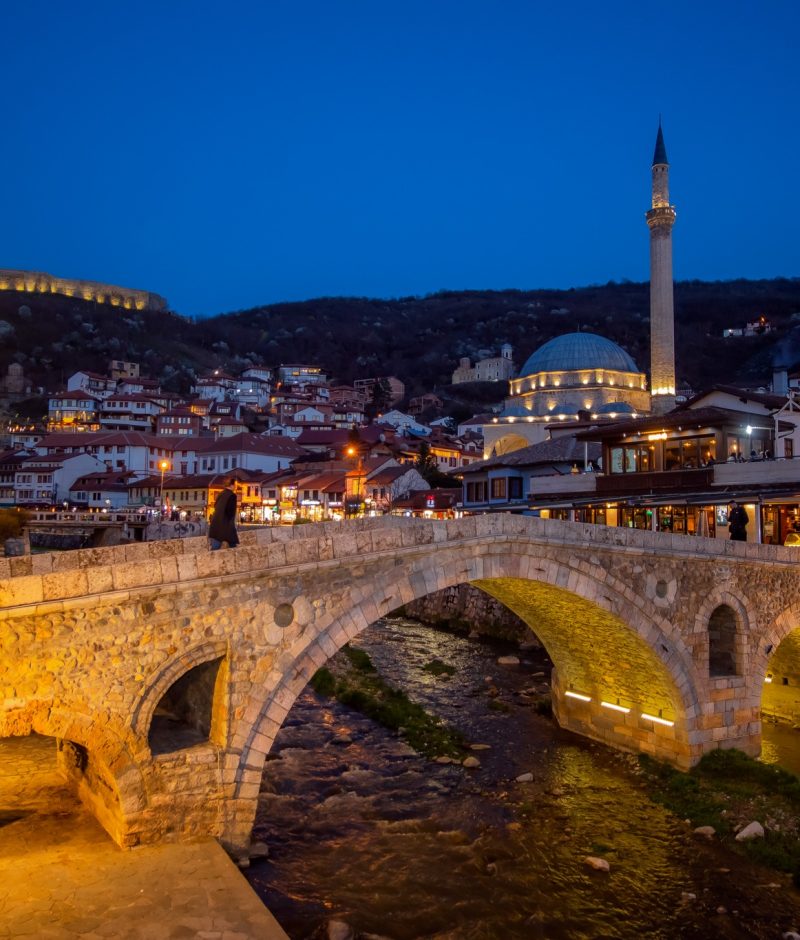
Known for its rich history, diverse culture, and being a center for arts and film, often referred to as the "Museum City". It's renowned for its well-preserved Ottoman-era architecture, including mosques, churches, and the Prizren Fortress. The city also hosts the international documentary and short film festival, DokuFest. 
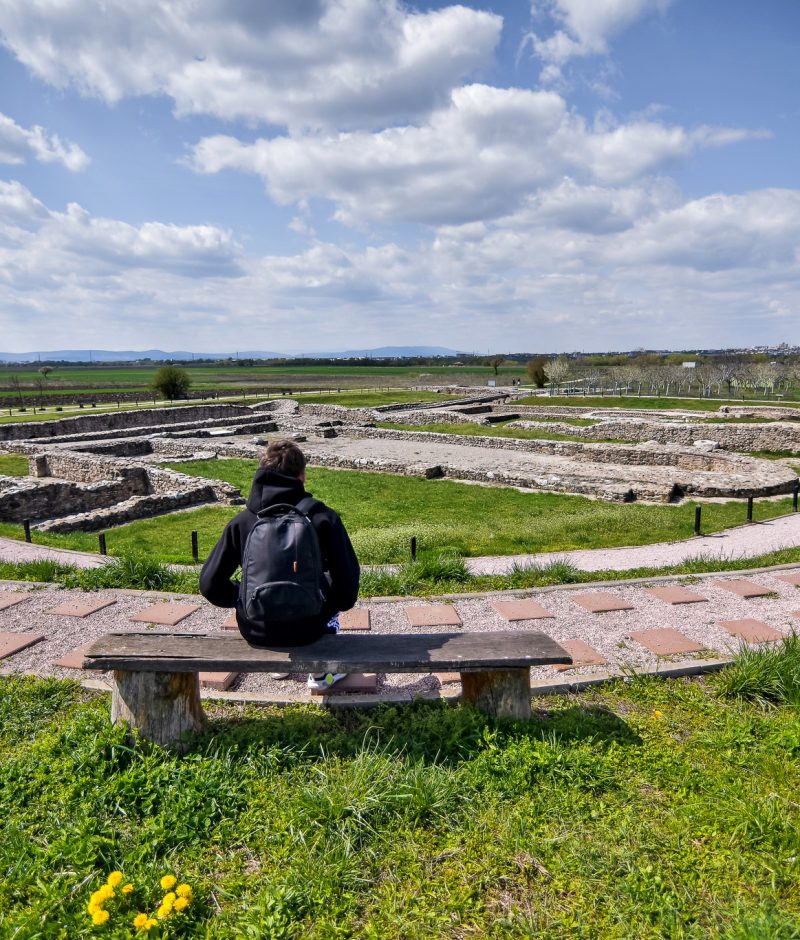
Natural Beauty

National Parks

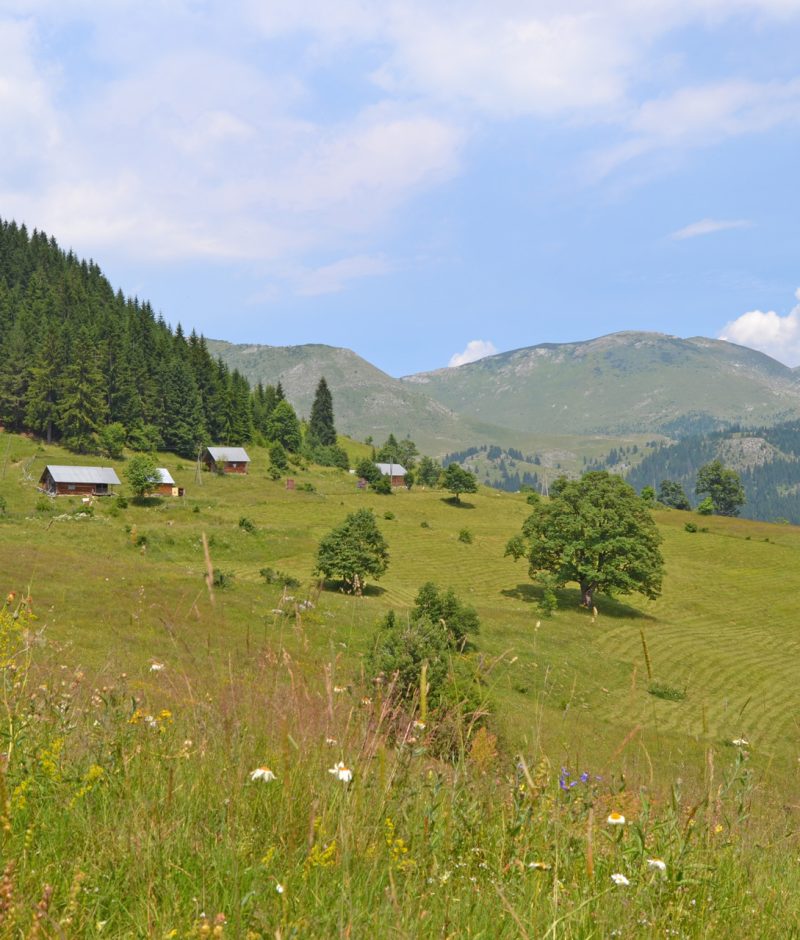
Kosova boasts several national parks, such as Shar Mountain National Park, known for its stunning landscapes, hiking trails, and biodiversity. The Gjeravica Mountain, the highest peak in Kosove, is popular among outdoor enthusiasts.

Lakes and Rivers

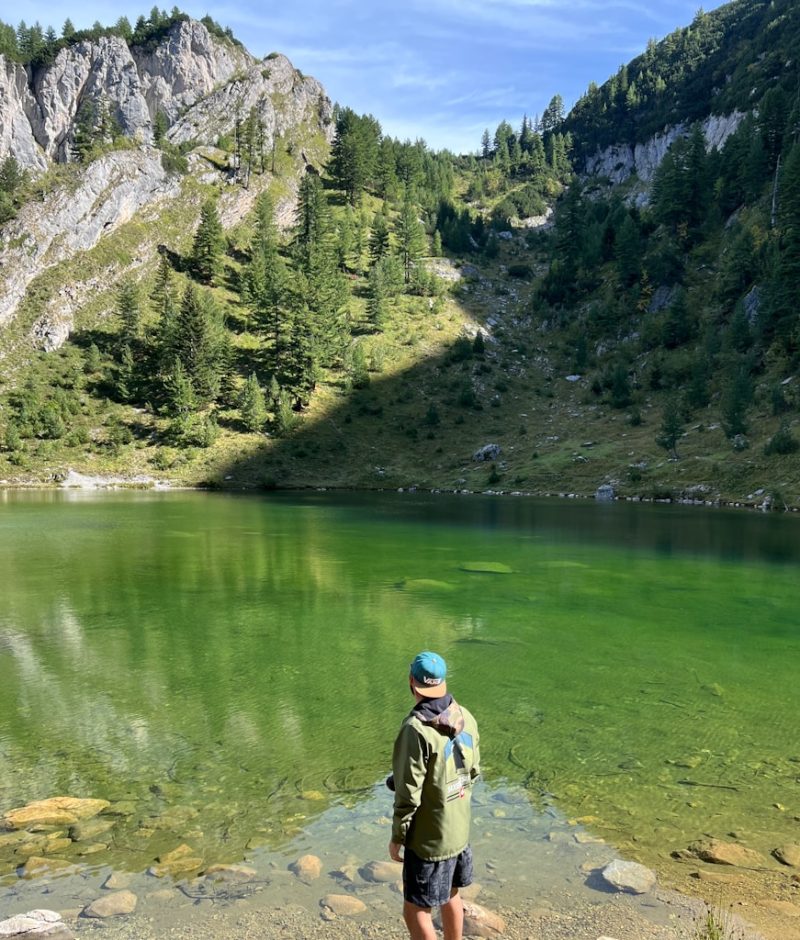
The Lake of Gazivoda and the Iber River offer recreational activities such as fishing, boating, and hiking, providing visits with opportunities to enjoy nature.
Adventure and Outdoor Activities

Kosova’s varied terrain makes it ideal for activities like hiking, mountain biking, and skiing. The Shar Mountains are particularly popular for outdoor sports, attracting both locals and tourists seeking adventure.
Culinary Tourism

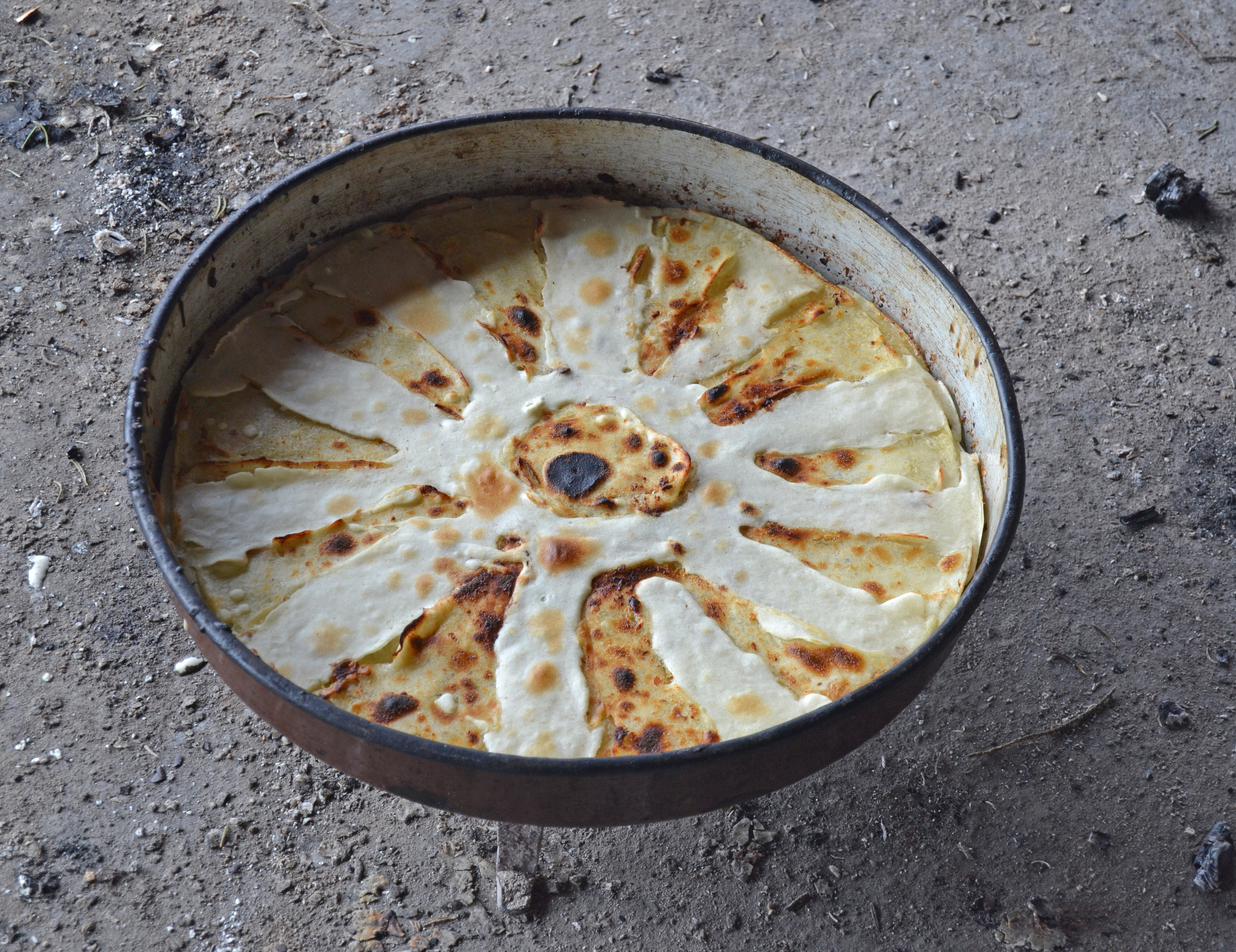
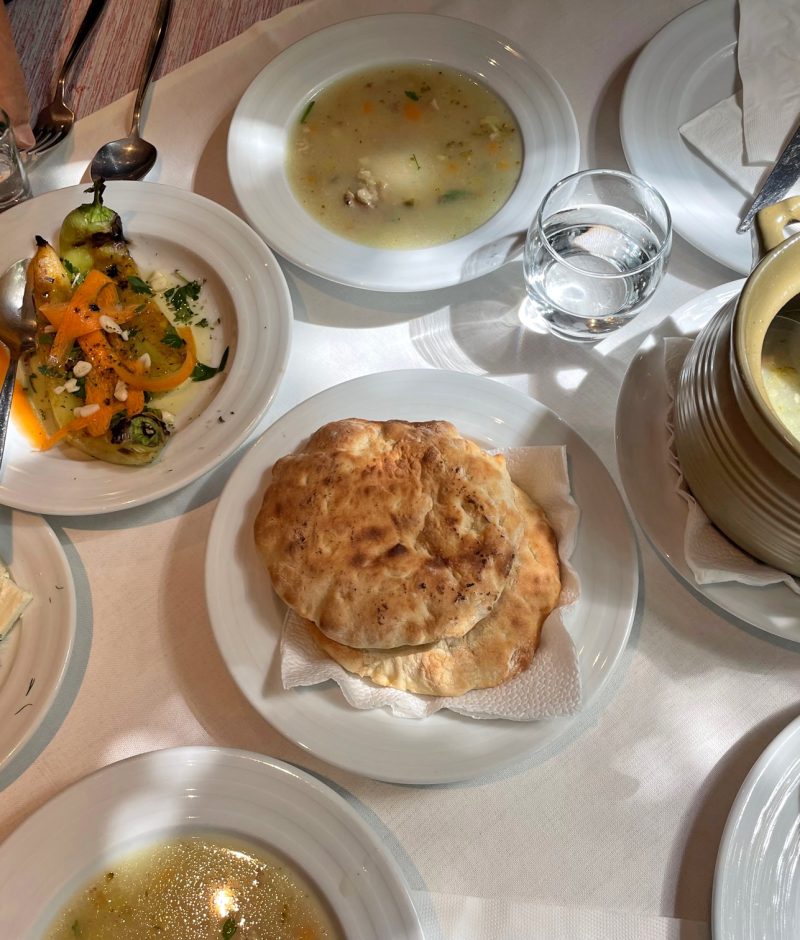
The local cuisine reflects a blend of Balkan and Mediterranean influences. Traditional dishes include flija (layered pastry), pita, and hearty stews. Gastronomic tours and local markets provide visitors with an authentic taste of Kosovar food culture.

Festivals and Events

Kosova hosts various cultural events and festivals throughout the year that celebrate music, arts, and local traditions. The Gjakova Cultural Festival and the Kosova International Documentary and Short Film Festival are popular among locals and international visitors.

Challenges and Opportunities:

While improving, the infrastructure for tourism in Kosova can be inconsistent, with ongoing development needed in transportation and hospitality services.

Kosova’s past conflict and political status impact its tourism image; however, increased international recognition and a growing number of tourists contribute to a more positive perception.

There is a growing emphasis on sustainable tourism practices, aimed at preserving Kosova's natural and cultural heritage while promoting responsible tourism.

Visitor Experience

Kosovars are known for their hospitality, making visitors feel welcome. Engaging with local communities, learning about traditions, and experiencing daily life provide a rich tourism experience.

Important Sites to Visit

When visiting Kosova, there are numerous sites that offer a glimpse into its rich cultural heritage, natural beauty, and historical significance. Here are some recommended sites to explore:

Prishtina
  • Newborn Monument: A symbol of independence, this monument is a must-see for its significance and unique design.
  • Mother Teresa Square: A central gathering place in Pristina, surrounded by cafes and shops.
  • Imperial Mosque: One of the oldest mosques in the city, showcasing stunning Ottoman architecture.
  • Kosova Museum: Offers insights into the country's history and culture, with displays from prehistoric times to the modern era.

Germia Park: A sprawling park ideal for hiking, picnicking, and enjoying nature just outside the city.

Gjakova
  • Gjakova Old Bazaar: A beautifully restored marketplace that features traditional handicrafts and local products.
  • Hadum Mosque: An exquisite example of Ottoman architecture located in the heart of the town.
Pejë
  • Patriakana e Pejës(Patriarchate of Peja): A UNESCO World Heritage Site, this complex includes several churches important to Albanian and Serbian Orthodox history.
  • Manastiri i Deçanit  (Dečani Monastery): Also a UNESCO site, it features stunning frescoes and is one of the most significant Albanian and  Serbian Orthodox monasteries in Kosovë.
  • Western Kosova's Rugova Canyon: A beautiful area for hiking and outdoor activities with dramatic cliffs and stunning landscapes.
Mitrovica
  • Mitrovica Bridge: An important symbol of the town's divided communities, connecting the Albanian and Serbian parts of the city.

Zveçan Fortress: Located nearby, this historical fortress provides panoramic views of the region.

Fushë Kosova

Battle of Kosova Memorial: This site commemorates the historical Battle of Kosova, significant in Albanian and Serbian history.

Brezovica

Brezovica Ski Resort: Ideal for winter sports enthusiasts, offering skiing and snowboarding in the Shar Mountains

Sharr Mountains National Park
  • Gjeravica Mountain: Kosova's highest peak, popular for hiking and offering breathtaking views.
  • Lake of Brezovica: A picturesque lake that is perfect for a peaceful retreat.
Ferizaj
  • Museum of Ferizaj (Muzeu i Ferizajt): This museum provides insights into the cultural and historical context of the Ferizaj area.
Kacanik
  • Kacanik Gorge: A stunning natural formation ideal for hiking and enjoying the scenery. It is located along the route from Ferizaj to Kacanik.

Haside Mosque in Klina

A notable mosque in the town of Klina, reflecting the Islamic architecture of the region.

Organized Tours

When planning a visit to Kosova, opting for organized tours can enhance your experience by providing knowledgeable guides and a well-structured itinerary. Here are some of the best-organized tourist tours available in Kosova:

Cultural and Historical Tours

  • Pristina City Tour: A guided tour that explores the highlights of the capital, including Mother Teresa Square, the Newborn Monument, the Imperial Mosque, and the Kosova Museum. Many tours also include visits to the historic sites of nearby cities like Gjakova and Pejë.

  • UNESCO Heritage Tours: Specialized tours that include visits to iconic UNESCO sites such as the Visoki Dečani Monastery and the Patriarchate of Peć. These tours often provide insights into the religious and cultural significance of these landmarks.

Nature and Adventure Tours

  • Sharr Mountains Adventure Tours: These tours focus on outdoor activities such as hiking, mountain biking, and even skiing in the winter. Companies offer guided hikes through the Shar Mountain National Park, including the summit of Gjeravica.

  • Rugova Canyon Tours: Explore the stunning scenery of Rugova Canyon, with options for trekking, climbing, or simply enjoying the views. Some tours may include traditional meals in local mountain huts.

Culinary Tours

  • Traditional Food Tours: Experience the local cuisine through guided tours that take you to various eateries and markets. Visitors can taste local specialties like flija, pita, and various grilled meats while learning about Kosovar culinary traditions.

  • Wine Tours: Kosova is also gaining recognition for its wine production. Wine tours may take visitors to local vineyards, providing tastings and insights into the winemaking process.

Cultural Immersion Tours

  • Albanian Cultural Experience: Tours that focus on the Albanian culture of Kosova, including visits to local villages, participation in traditional dances, and learning about local crafts and customs.

  • Historical Context Tours: These tours delve into the complex history of Kosova, offering a nuanced understanding of its past through visits to key historical sites, including memorials, museums, and cities significant to the conflict.

  • Day Trips and Excursions – Day Trips from Pristina: Many tour operators offer day trips from Pristina to scenic destinations like Pejë, Gjakovë, and the beautiful lakes in the region. These trips often combine cultural, historical, and natural site visits.

  • Multi-Day Tours: Some travel companies provide multi-day tours that cover various regions in Kosova, along with opportunities to explore neighboring countries like Albania and North Macedonia.

Recommended Tour Operators

Organized tours in Kosova provide an excellent way to explore the country’s rich history, diverse culture, and stunning landscapes. Whether you’re interested in history, nature, or cuisine, there are plenty of options to choose from to make your visit memorable and enriching. Always check online reviews and confirm details with providers to ensure a fulfilling experience.

Here are a few well-reviewed tour operators and platforms that offer organized tours in Kosova:

Travel Agency – Visit Kosova

Specializes in cultural and historical itineraries, offering customized tours for groups and individuals.

E-Travel Kosova

Offers a variety of packages, including city tours, adventure tourism, and cultural experiences.

Kosova Adventures

Focused on outdoor and adventure-based tourism, providing guided tours in national parks and mountainous regions.

Explore Kosova Tours

Provides various tours, including cultural, culinary, and nature experiences, tailored to the interests of visitors.

Culinary Culture

Kosova’s culinary culture is a vibrant mix of traditional and modern influences that reflects its rich history and diverse population reflecting its unique history, geographical location, and cultural influences from the Balkans and the Mediterranean as well as Ottoman. From hearty meat dishes to delightful pastries, the food of Kosova offers a unique and flavorful experience. The cuisine is characterized by its hearty flavors, use of fresh ingredients, and a blend of traditional and modern cooking techniques. Visitors are encouraged to explore local markets, dine with families, and participate in culinary experiences to fully appreciate the country’s gastronomic heritage. Here are some key aspects of Kosova’s culinary culture:

Traditional Dishes

  • Flija: A layered pastry dish made with flour and milk, traditionally prepared in a special pan and baked over an open fire. It is often served with sour cream or yogurt. It is believed that flija is the predecessor to Italian lasagna

  • Pita: A flaky pastry filled with various ingredients, such as cheese, pumpkin, or potatoes. It can be found in both savory and sweet versions.

  • Sarma: Cabbage rolls stuffed with minced meat and rice, often served with a side of yogurt.

  • Baklava: A popular dessert made from layers of filo pastry, filled with nuts and sweetened with honey or syrup, reflecting Ottoman influences.

Meat Dishes

  • Grilled Meats: Kosovars enjoy a variety of grilled meats, including qebapa (grilled minced meat sausages), which are usually served with flatbread, onions, and yogurt.

  • Tavë Kosi: A traditional dish made of baked lamb and rice, mixed with a sauce of yogurt and eggs, creating a creamy texture.

  • Pastiçada: A slow-cooked beef dish flavored with red wine, tomatoes, and spices, often served during special occasions

Vegetable Dishes

Kosova’s cuisine includes various vegetable-based dishes, reflecting the agricultural practices of the region:

  • Roasted Peppers: Often used in salads or as side dishes, roasted peppers are a staple and can be stuffed with cheese or mixed into salads.

  • Bean Stews: A hearty option, often made with white or red beans, flavored with spices and herbs.

Breads and Pastries

  • Samuna: Traditional bread, often served with meals, featuring various regional recipes and methods of preparation.

  • Burek: A savory pastry filled with meat, cheese, or vegetables, often enjoyed as a snack or appetizer.

Dairy Products

Dairy plays a significant role in Kosovar cuisine:

  • Yogurt: Fresh, tangy yogurt is commonly served alongside dishes or used as an ingredient in many recipes.

  • Cheese: Various local cheeses, includingkashkavall (similar to yellow cheese) and feta, traditional white cheese, are commonly used in cooking and served with bread.

Influences and Regional Variations

Kosova’s cuisine has been influenced by various cultures due to its historical connections:

  • Ottoman Influence : Many traditional dishes reflect Ottoman culinary traditions, especially in sweets and pastries.

  • Balkan Influences: Neighboring countries like Albania, Serbia, and Montenegro have also contributed to the culinary landscape, creating a blend of flavors and ingredient

Local Ingredients

Kosova is known for its agricultural products, which play a significant role in its cuisine. The country benefits from fertile land, producing a wide range of fresh fruits, vegetables, and grains. Local farmers markets are common, where fresh and organic ingredients are readily available.

Culinary Events and Festivals

Culinary festivals are becoming more popular in Kosova, highlighting traditional dishes, local products, and the culinary skills of local chefs. These events often include cooking demonstrations, tastings, and opportunities to learn about Kosovar food culture.

Hospitality and Dining Culture

Food is an essential part of Albanian hospitality no matter from what part. Meals are often shared with family and friends, emphasizing togetherness and tradition. It’s common for guests to be offered food and drinks upon entering a home, reflecting the warm and welcoming nature of the people.
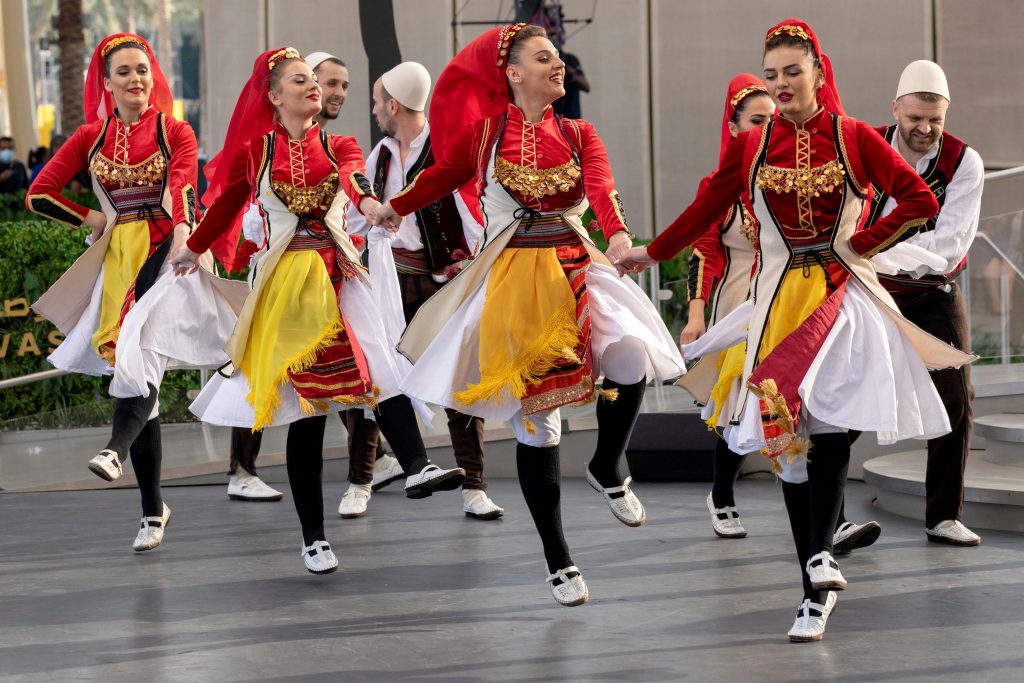
Kosova’s Folklore: Clothing, Music and Dance

Kosova’s folklore is a rich tapestry woven from its diverse cultural heritage, reflecting a blend of influences from its historical connections with various peoples and empires, including the Illyrians, Romans, Byzantines, Ottomans, and Slavs. Music, dance, and traditional clothing are key components of this cultural richness, serving not only as artistic expressions but also as essential markers of identity and community. These elements not only preserve the rich history of the Kosovo people but also provide a means for generations to connect with their heritage. As Kosovo continues to evolve, its folklore remains a vital and cherished aspect of its cultural landscape.

Traditional Clothing

Kosovo’s traditional clothing varies by region, with distinctive styles that often signify marital status, age, and regional identity. Here are some key elements:

  • Women’s Attire: Women’s traditional clothing typically consists of layered skirts (often colored and richly embroidered), blouses, and vests. A common item is a decorative shawl or scarf worn over the head. Embroidery often features motifs that symbolize local traditions, fertility, and protection. In the mountainous region of Kosova bordering Albanian and Montenegro women wore a heavy wool dress called xhubleta.

  • Men’s Attire: Men’s traditional clothing often includes a folk shirt (usually white), trousers, and a waistcoat. Trousers are typically made of wool and are called cakcir (pronounced chakcheer). The “fustanella,” a pleated skirt-like garment, is also worn by some groups, alongside a “plis” (a white felt cap).

  • Accessories: Both men and women adorn their outfits with jewelry, which can include silver or gold pieces that reflect local craftsmanship. Accessories are often symbolic, believed to ward off evil or bring good fortune.

Music

Kosovo’s music is characterized by a variety of instruments and styles, reflecting the region’s diverse ethnic composition. Key characteristics include:

  • Instruments: Common instruments include the “sharki”  and cifteli  (pronounced chifteli) (a type of string instruments), “lahuta” (a one-stringed fiddle), and various types of flutes. Percussion instruments, such as drums, also play a crucial role in dance music.

  • Vocal Traditions: Traditional singing often accompanies social gatherings and is a vital part of family celebrations, weddings, and religious events. Songs may convey historical tales, love stories, or national pride.

  • Genres: Musical genres vary widely, with a focus on folk tunes that originate from local traditions. The songs often accompany storytelling, drawing on themes of love, struggle, and the beauty of the natural world.

Dance

Dance in Kosovo is an integral part of social life and cultural celebrations. Each dance style has its own significance and is often associated with specific occasions:
  • Traditional Dances: These are typically group dances, performed in a circle or line. One of the most well-known dances is the “valle,” characterized by its lively rhythms and coordinated movements. Dancers often wear traditional clothing during performances.

  • Regional Variations: Different regions have unique dances that reflect local traditions and stories. For example, the “Shota” dance from the Drenica region is celebrated for its fast-paced movements and energetic style.Where as the Rugova Dance (Vallja me shpata e Rugovës or Loja Luftarake e Rugovës) a traditional Albanian sword dance named after the Rugova region  in Kosovë is a slow moving dance. Rugova dance is a relic  of a war dance  now performed in the re-enactment or preparation of battles. The dance is performed by two male dancers who fight a mock battle for the hand of a girl, a “maiden’s dance”. This dance is also found mountainous part of Northern Albania and Montenegro, namely the Kelmendi Klan.

  • Cultural Significance: Dance serves a social function, bringing communities together during festivals, weddings, and other significant events. It strengthens social bonds and fosters cultural continuity.

Visit Kosova and gain your own perspective , we are sure you will be left mesmerized and wondering!