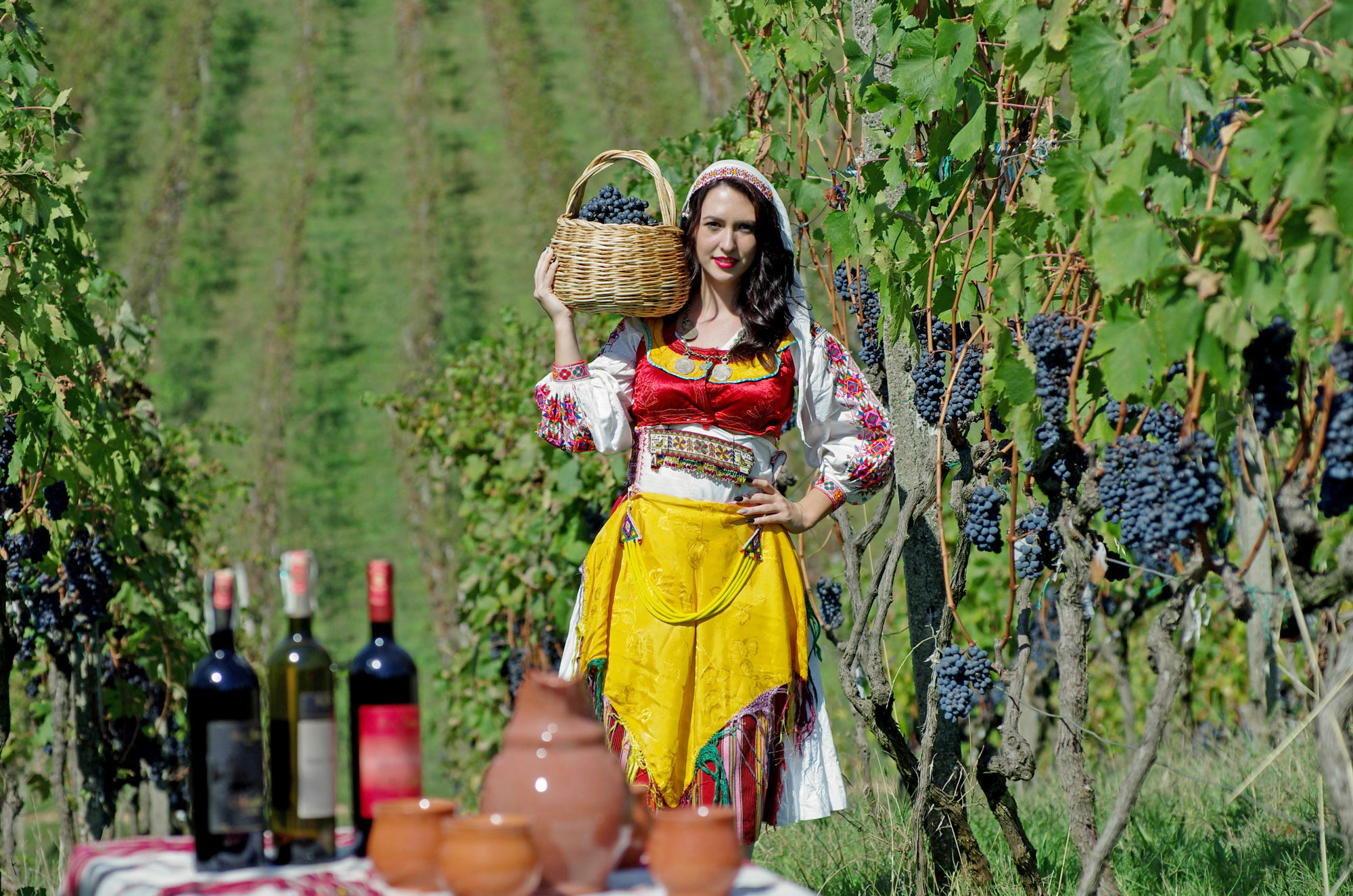
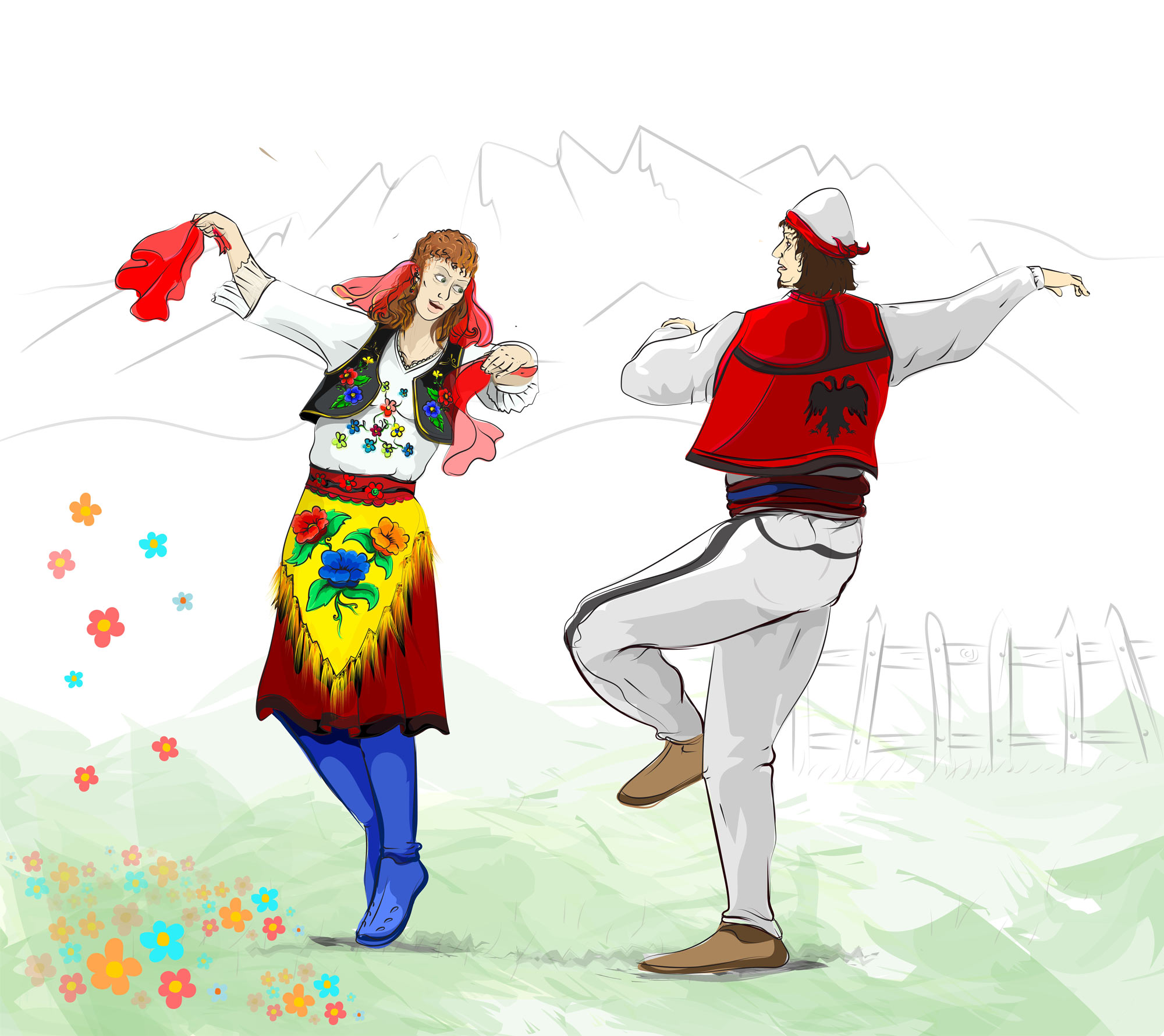
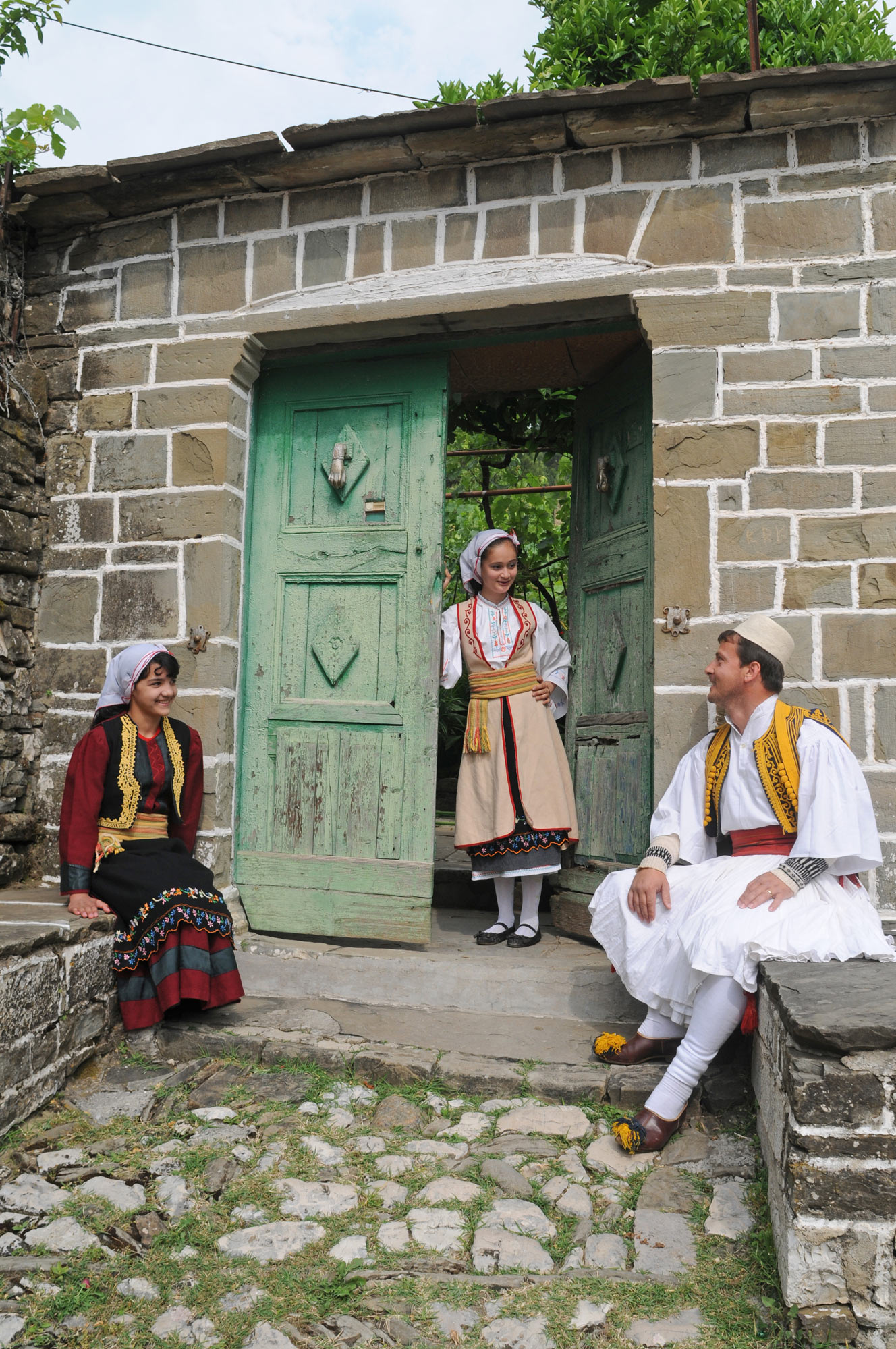
The Albanian community, both in the Balkans and across a wide global diaspora, represents a rare continuity of tradition, identity, and resilience. Shaped by geography, history, and strong communal values, Albanian culture has survived centuries of foreign rule, political upheaval, and economic migration while maintaining a deep sense of belonging and responsibility toward family, land, and community. Today, this heritage offers not only cultural richness but also practical lessons in sustainability—social, cultural, and environmental.
Rather than existing as a static legacy of the past, Albanian tradition remains a living system of values that continues to adapt to modern realities while preserving its essential character.
At the core of Albanian society lies the extended family and the wider community network. Solidarity, mutual assistance, and respect for elders have traditionally functioned as informal social safety nets, long before modern welfare systems existed. These bonds have helped communities endure periods of hardship, displacement, and political instability.
These values remain visible today, particularly within diaspora communities, where Albanians organize cultural associations, religious institutions, and charitable initiatives to support both local needs and their places of origin. This strong community orientation promotes social sustainability by fostering trust, shared responsibility, and intergenerational continuity, ensuring that cultural knowledge, language, and customs are passed down rather than diluted or lost.
One of the most distinctive features of the Albanian community is its long-standing tradition of religious coexistence. Muslims, Catholics, Orthodox Christians, and followers of other beliefs have lived side by side for centuries with mutual respect and without sectarian conflict. Religious differences have rarely defined social or political divisions, and interfaith families and shared celebrations are common across regions.
This harmony is rooted in a deeply held cultural principle expressed in the well-known saying: “Feja e shqiptarit është shqiptaria” — “The religion of Albanians is Albanian identity.” For Albanians, national identity, language, and shared history have traditionally taken precedence over religious affiliation. Religion is respected as a personal and communal expression of faith, but it has never outweighed loyalty to the nation or the unity of the community.
This model of coexistence represents an important form of social sustainability. In a world increasingly marked by religious polarization, the Albanian experience demonstrates how pluralism, tolerance, and shared civic identity can reinforce stability, social cohesion, and peaceful coexistence across generations.
In an era marked by climate change, mass migration, and cultural homogenization, Albanian traditions offer sustainable principles that remain highly relevant. Local food production, seasonal diets, community-based decision-making, and adaptive use of natural landscapes all align closely with modern sustainability frameworks.
The Albanian diaspora plays a critical role in translating these values into the present—through investment, cultural preservation, education, and environmentally responsible development in their homelands. When effectively supported by sound institutions and inclusive policies, this connection between tradition and innovation can become a powerful driver of long-term, balanced, and inclusive development.
At the same time, this continuity faces a serious challenge: excessive emigration, particularly during the post-communist era. Economic hardship, weak institutions, and limited opportunities have driven large segments of the population—especially young and educated Albanians—to seek futures abroad. While migration has strengthened the diaspora and generated vital remittances, its scale has also strained local communities, accelerated demographic decline, and threatened the long-term transmission of culture, language, and tradition.
Addressing this challenge is essential to sustainability. Creating conditions that allow people to build dignified lives in their own country—through economic opportunity, good governance, and cultural confidence—is not only a policy necessity but a national imperative. Without people, heritage cannot survive; without continuity, sustainability loses its meaning.
Follow us on:
Share this website:
Copyright ACC 2026