North Macedonia, historically known as a part of the region of Macedonia, was home to various ancient civilizations, including the Dardanians and Macedonians. The area was notably part of the Macedonian Kingdom under Philip II and Alexander the Great. Following the Roman conquest in 145 BC, the region became part of various Roman provinces until the empire’s division. After 395 AD, it fell under the Eastern Roman (Byzantine) Empire.
In the 7th century, Slavic tribes settled in the area, leading to significant cultural changes. By the 9th century, the region was included in the Bulgarian Empire, and it subsequently experienced fluctuating control between Byzantium, Bulgaria, and Serbia.
In the late 14th century, Macedonia became part of the Ottoman Empire. During this period, Albanian, Greek, and Slavic identities emerged and evolved. The late 19th and early 20th centuries saw the rise of national movements, including the Albanian National Renaissance and the League of Prizren (1878), which aimed to unify Albanian territories. Notable uprisings occurred in 1903 and during the Balkan Wars (1912-1913), leading to changes in territorial control.
Post-World War I, Macedonia was incorporated into the Kingdom of Serbs, Croats, and Slovenes, later known as Yugoslavia. Following World War II, it became a socialist republic within the Socialist Federal Republic of Yugoslavia.
On September 8, 1991, North Macedonia declared independence from Yugoslavia after a referendum in which a significant majority supported independence. However, the country faced ethnic tensions, particularly involving the Albanian population. North Macedonia adopted a new constitution and began the process of democratization. In 2019, North Macedonia formally changed its name from the “Former Yugoslav Republic of Macedonia” (FYROM) under the Prespa Agreement with Greece, paving the way for NATO and EU membership aspirations.
Today, North Macedonia remains a multiethnic society with ongoing discussions about identity, rights, and integration within the European framework.
The Albanians of Macedonia are an indigenous people with origins in Illyrian tribes such as the Dardanians, Paeonians, and Dasaretis, as well as some ancient Macedonians. They possess a distinct culture, identity, and language, primarily speaking Albanian, although some assimilated individuals speak Slavic or Turkish. Throughout history, Albanians have faced significant pressures and violence aimed at erasing their language and identity.
Official statistics indicate that about 25% (approximately 500,000) of North Macedonia’s population is Albanian. However, this figure is likely underreported due to assimilation efforts that have led many to lack a national identity or fear to identify as Albanian, particularly among Orthodox Albanians around Lake Ohrid and in Reka. Current estimates suggest there may be around 900,000 Albanians in North Macedonia. Additionally, the prohibition of Albanian schools has further impacted their cultural preservation, mirroring trends in other Slavic-majority countries.
The Albanian language in North Macedonia is rich and diverse, featuring a pure Albanian vocabulary divided into two main dialects: Gheg and Tosk, along with several subdialects. Skopje, the current capital of North Macedonia, holds significant historical importance as it was once inhabited by the Dardanians and served as the capital of the Dardanian Kingdom. The city’s citadel and surrounding areas contain ancient sites rich in artifacts and monuments. However, access to Albanian studies related to these sites is limited due to the state’s archaeological institute, which has been accused of downplaying the Dardanian Illyrian identity in its findings.
Beginning in the 19th century, the Albanian National Movement, also known as the Albanian National Awakening, emerged as a cultural, political, and social movement aimed at uniting all Albanian lands into a single national state, establishing an independent Albanian state, and promoting Albanian identity. Initially, it sought to create a united autonomous vilayet within the Ottoman Empire, followed by an autonomous state under Turkish sovereignty, ultimately striving for complete independence, which included territories now recognized as part of the Republic of Macedonia.
The movement evolved in various directions, functioning not only as an armed resistance against Ottoman reforms but also as a political campaign for the unification of Albanian lands. It advocated for education in the Albanian language and pushed for international recognition of Albanians as a single nationality, irrespective of religion. Additionally, it aimed to counter the fragmentation of Albanian territories by neighboring monarchies. The primary obstacle to achieving these goals was the Ottoman Empire’s denial of Albanian national rights and its division of ethnic lands into large administrative units, which hindered the cohesion of the Albanian people.
The Albanian National Renaissance began during the mid-19th century, coinciding with the Ottoman Empire’s Tanzimat reforms, which encompassed administrative, financial, military, and educational changes. One significant reform was the administrative restructuring of the vilayets. In this process, the Vilayet of Manastir was created, comprising five sanjaks, two of which included Albanian territories now part of the Republic of North Macedonia: the Sanjak of Manastir (which included the Kazas ( juridical district) of Ohrid and Kićovo) and the Sanjak of Dibra, which also encompassed parts of present-day Albania. The other three sanjaks—Korça and Elbasan—did not impact the Republic of North Macedonia, while the Sanjak of Selfixë contained no Albanian territories.
Albanian leaders rejected the Tanzimat principles, leading to significant uprisings against these reforms. As a result, the Sublime Porte, in 1895, abandoned the violent enforcement of Tanzimat measures in the Albanian highlands. Following the cessation of anti-Turkish uprisings, Albanian protests turned against the Treaty of Saint Stephen and the Congress of Berlin began in 1878, as the latter ceded Albanian territories to neighboring monarchies. This spurred the Albanian National Movement, led by the League of Prizren, which gained significant momentum.
Despite the violent suppression of the League of Prizren by Ottoman forces, protests continued in these regions. This period marked the beginning of a political movement aimed at creating a united and autonomous Albanian vilayet, with Dibra as a central hub by 1899. Alongside the autonomy movement, cultural initiatives for Albanian writing, education, and church representation also gained traction, incorporating both Muslim and Orthodox Albanians from present-day North Macedonia.
Towards the end of Ottoman rule, the primary focus of the Albanian patriotic movement was the “For the Freedom of Albania” committee, established in Manastir (Bitolj). This committee thrived due to the predominantly Albanian population in the city. The perception of Manastir as a predominantly Albanian city during the Renaissance is well-founded.
The Manastir Committee made significant contributions to the Albanian National Renaissance by establishing connections with various regions in Albania, Kosovo, and present-day North Macedonia. In 1908, the Albanian Alphabet Congress was convened in Manastir, leading to the establishment of the current Albanian alphabet. The city also became a hub for Albanian publications, including “Bashkimi Kombit,” which disseminated the program of the National Renaissance.
The Albanian regions in present-day North Macedonia played a crucial role in the large-scale anti-Ottoman uprising of 1912. The liberation of Skopje by Albanian insurgents on August 11 marked a high point of this revolt, generating immense enthusiasm among the city’s residents. Three months later, Ismail Qemali’s call for delegates to the historic Assembly of Vlora was warmly received by the Albanian provinces in Macedonia, leading to the participation of eight delegates from Dibra, Tetovo, Gostivar, Struga, and Ohrid. Notably, two of these delegates were appointed to prominent positions in the newly independent Albanian state, with one being elected chairman of the National Council (Parliament) and the other becoming the Minister of National Defense.
At the turn of the 20th century, Skopje, the current capital of the Republic of North Macedonia, had a predominantly Albanian population. To avoid accusations of bias, we reference Bulgarian and French sources regarding Skopje’s demographics.
The Geographical Institute of Sofia corroborated this, reporting in a 1902 yearbook that Skopje had 4,474 households, 2,336 (52.25%) of which were classified as Turkish (predominantly Albanian Muslims), 1,687 (37.58%) were Bulgarian families (Macedonians), while the rest consisted of Gypsies, Jews, Vlachs, and around 91 Catholic Albanian families.
In 1913, the French observer L. Jaray noted that of the city’s 45,000 inhabitants, approximately 25,000 were Muslims (55%), primarily Albanians, while Bulgarians (Macedonians) numbered around 10,000-15,000 (22-33%). There were also 3,000 Serbs and 2,000 Jews.
The question of who constituted the majority population in these areas at the beginning of the 20th century is a historical matter. While the past cannot be changed, current realities must be acknowledged. Skopje was historically an Albanian city with a Macedonian minority, but today it is predominantly a Macedonian city with a significant Albanian presence.
Despite historical policies by the pre-war Yugoslav Kingdom and post-war Socialist Federal Yugoslavia aimed at expelling Albanians through mass emigration, the remaining Albanian population in North Macedonia is still considerable. Official statistics indicate that Albanians represent about 25% of the population, while some Albanian institutions claim they constitute roughly one-third or more.
Regardless of the exact figures, it is clear that Albanians are autochthonous and integral to the provinces where they live. It is regrettable that the authorities in Skopje have yet to abandon nationalist attitudes and recognize the substantial presence of Albanians, who seek to participate in and share their common homeland alongside Macedonians.
Source: The truth about the Albanians of Macedonia by Prof. Kristo Frashëri. Chat AI, Encyclopedia Brittanica and personal library.
Macedonia, officially referred to as North Macedonia, boasts a rich cultural heritage, breathtaking natural scenery, and a burgeoning tourism industry. The country is increasingly becoming a favored destination for travelers interested in culture, history, nature, and adventure. With its diverse traditions, stunning landscapes, and welcoming locals, North Macedonia offers a unique exploration experience in the Balkans. Whether for a short weekend trip or an extended visit, travelers are bound to create lasting memories in this enchanting country.
This guide, aimed at Albanian tourists, will primarily highlight areas with significant Albanian populations. The Albanian community in North Macedonia is predominantly located in the western and northwestern regions, as well as in some central areas, with smaller groups found in the southwestern parts of the country. The largest Albanian populations are in and around the cities of Tetovo, Gostivar, Debar, Struga, Kičevo, Kumanovo, and Skopje. Additionally, there are smaller communities in and around Ohrid, Kruševo, Resen, Bitola, and Veles.
Here’s an overview of tourism in North Macedonia, focusing mainly on areas with Albanian populations, highlighting key attractions, experiences, and current trends:
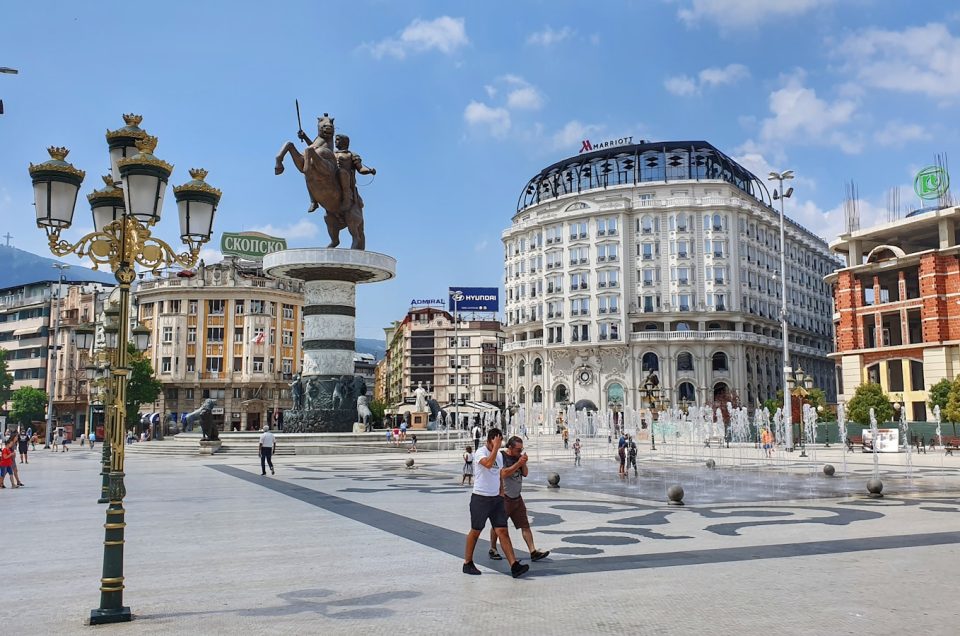
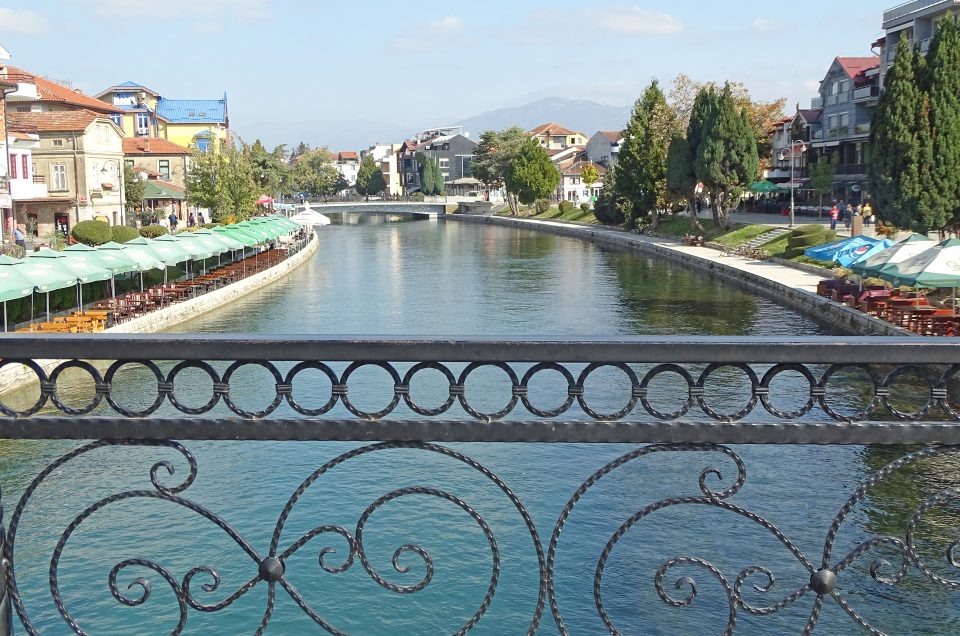
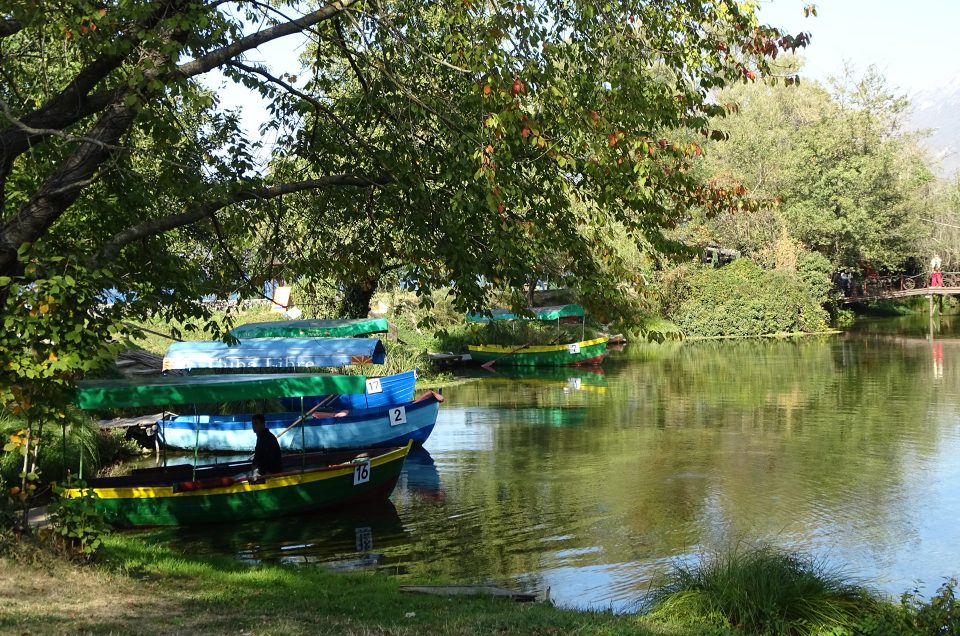
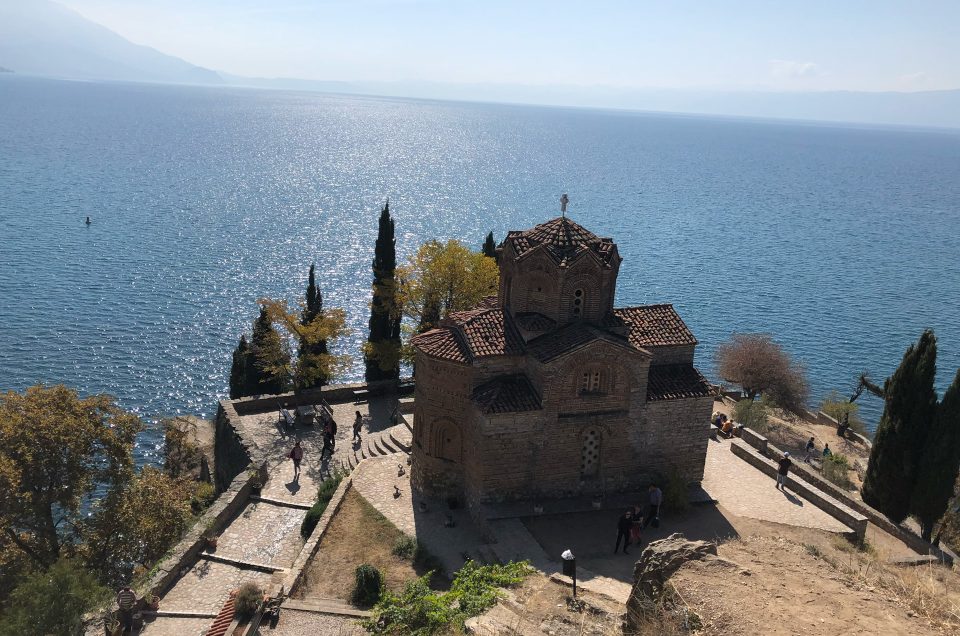
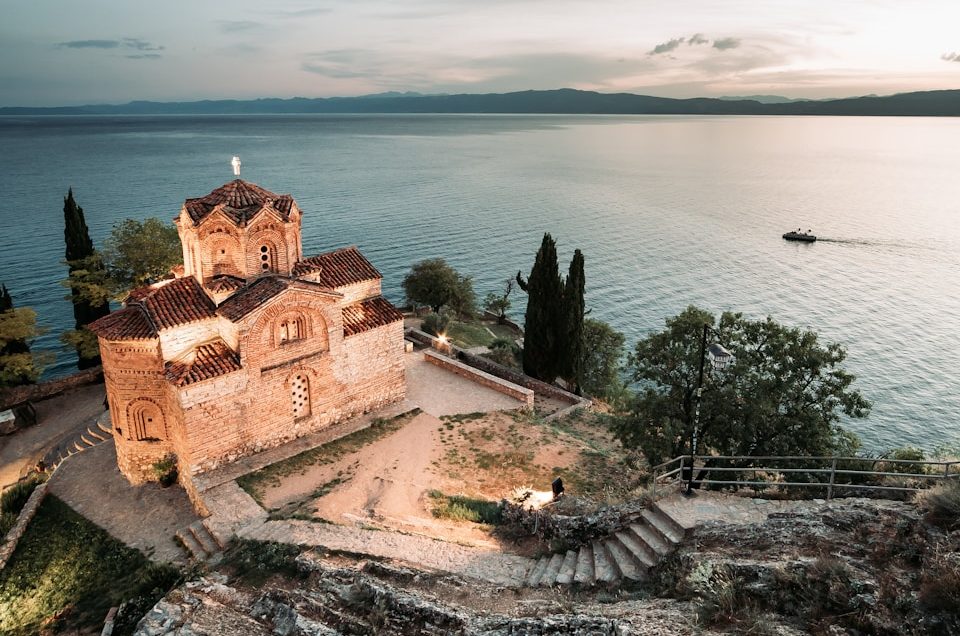
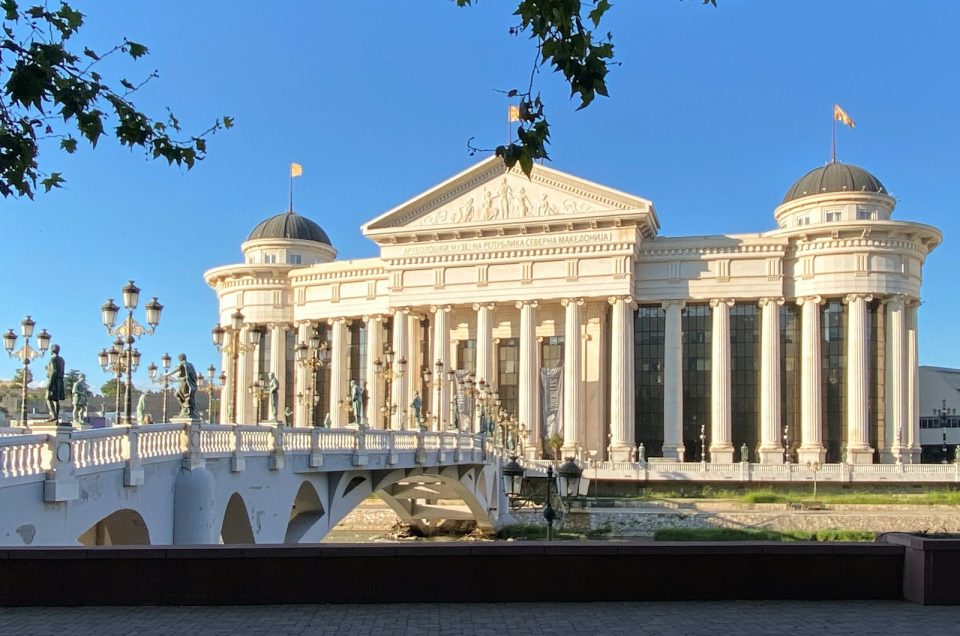
The capital city offers a mix of historical and modern attractions
Often referred to as the "Jerusalem of the Balkans," Ohrid is renowned for its stunning lake and rich history
This charming city is known for its historical architecture and cultural significance
North Macedonia boasts several national parks that attract nature enthusiasts
Festivals: Various cultural events throughout the year, such as the Ohrid Summer Festival and Skopje Jazz Festival, showcase the country’s artistic talents.
Cuisine: Traditional Albanian and Macedonian food is a highlight for many visitors, with dishes like grilled meats, stews, baked beans and local pastries and not to forget ajvar (pepper-based condiment). The local markets are great for experiencing the food culture, where fresh produce, nuts, and traditional snacks are sold.
Folklore and Traditions: Opportunities to experience local music, dance, and crafts, including workshops and performances.
Hiking and Biking: With its mountainous terrain, North Macedonia is ideal for outdoor activities, offering numerous trails and routes for all skill levels
Lake Activities: Apart from swimming, visitors can enjoy sailing, kayaking, and fishing in Ohrid and Prespa Lakes
Improvements in transportation infrastructure, including international flights to Skopje and increased road connectivity, are boosting tourist arrivals.
There’s a growing focus on sustainable tourism practices to preserve the country’s natural and cultural heritage.
The government and local organizations are working to promote lesser-known historical sites and encourage cultural exchange, however, concerning Albanian Cultural Promotion, this is still work in progress.
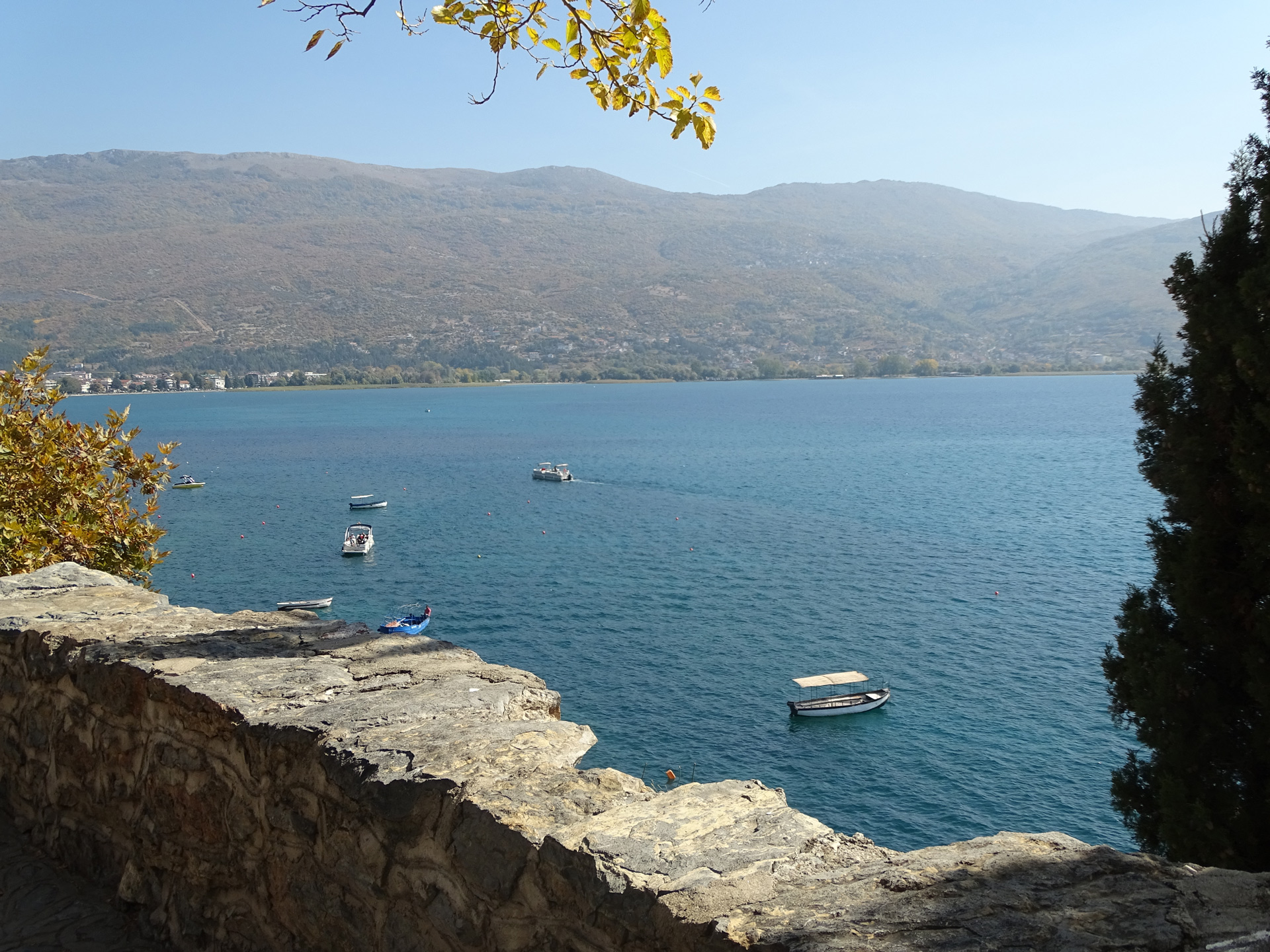
Often referred to as the “Pearl of the Balkans,” Ohrid is a UNESCO World Heritage site known for its stunning lake, ancient churches, and rich history.
One of the oldest and deepest lakes in Europe, perfect for swimming, boat rides, and water sports.
Iconic church perched on a cliff overlooking the lake, famous for its beautiful architecture and stunning sunsets.
An ancient Roman amphitheater dating back to the 2nd century BC, used for various performances.
Offers breathtaking views of the city and lake, with well-preserved medieval walls
The capital city blends modernity with history and culture
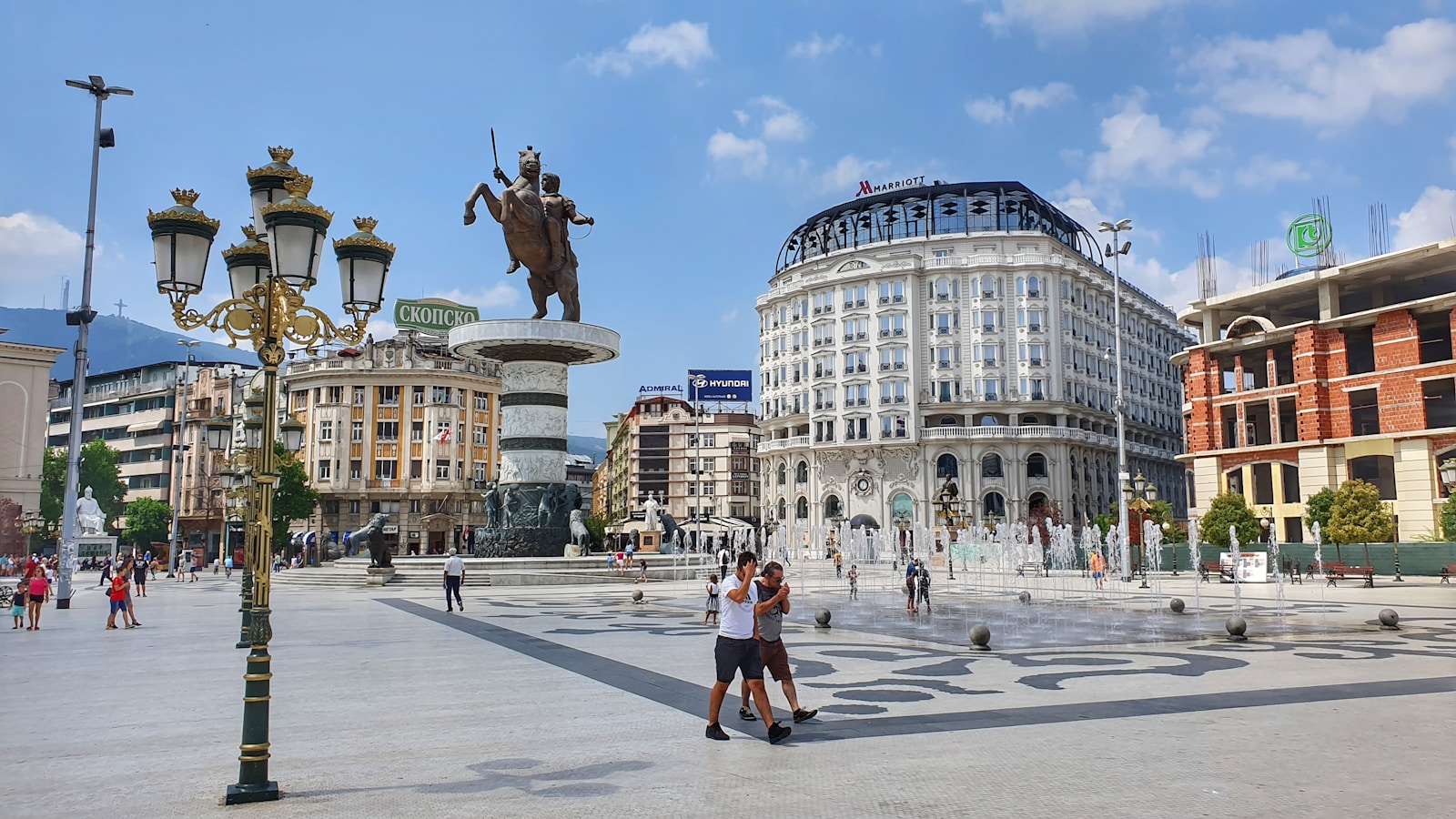
A historic castle providing panoramic views of the city.
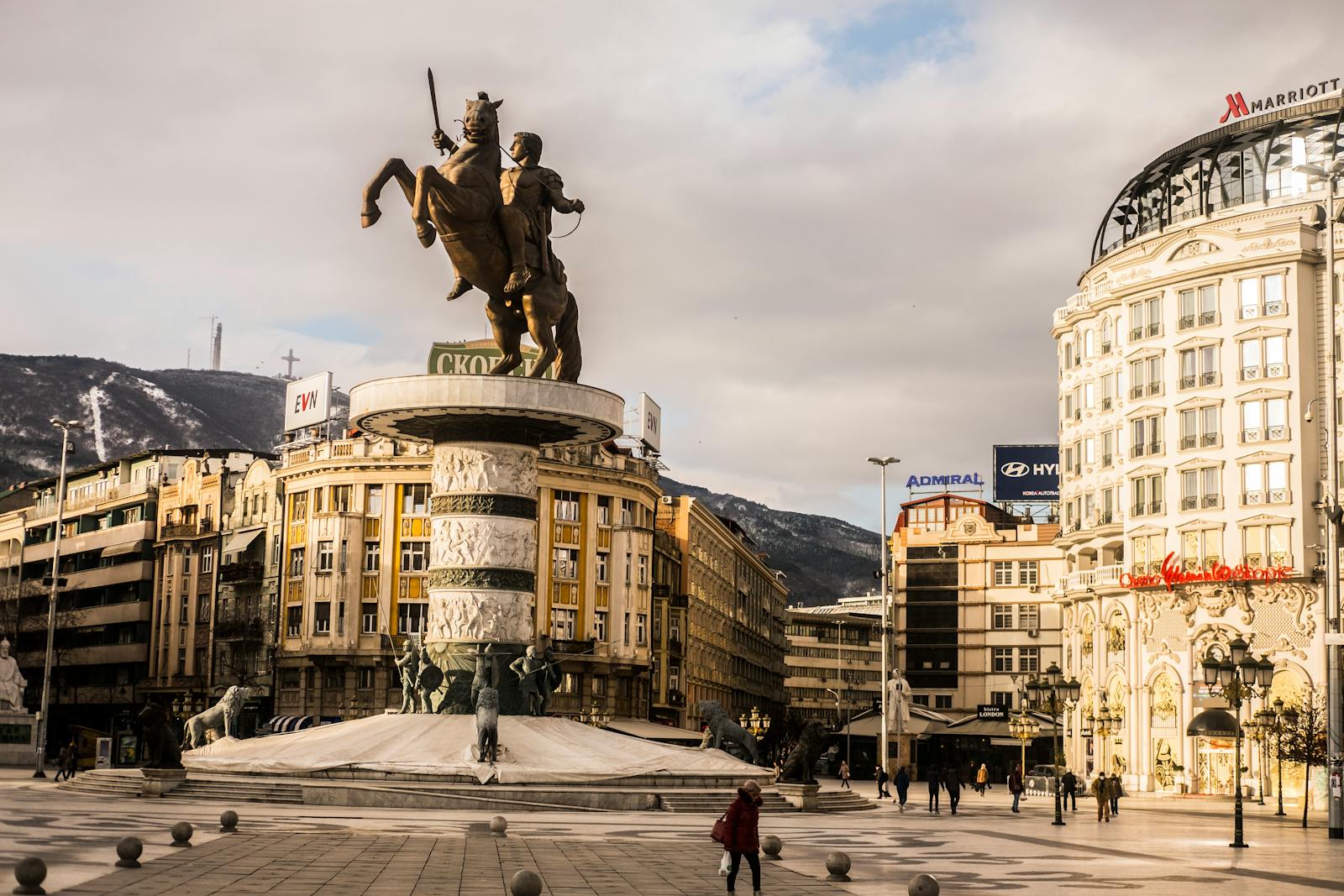
Features the impressive statue of Alexander the Great and serves as a central hub for visitors.
(Stara Čaršija): The city's cultural heart, filled with shops, cafés, and Ottoman-era architecture.
Dedicated to the life and work of Albanian Mother Teresa, who was born in Skopje.
A city rich in history and culture, known for its architecture and proximity to significant archaeological sites.
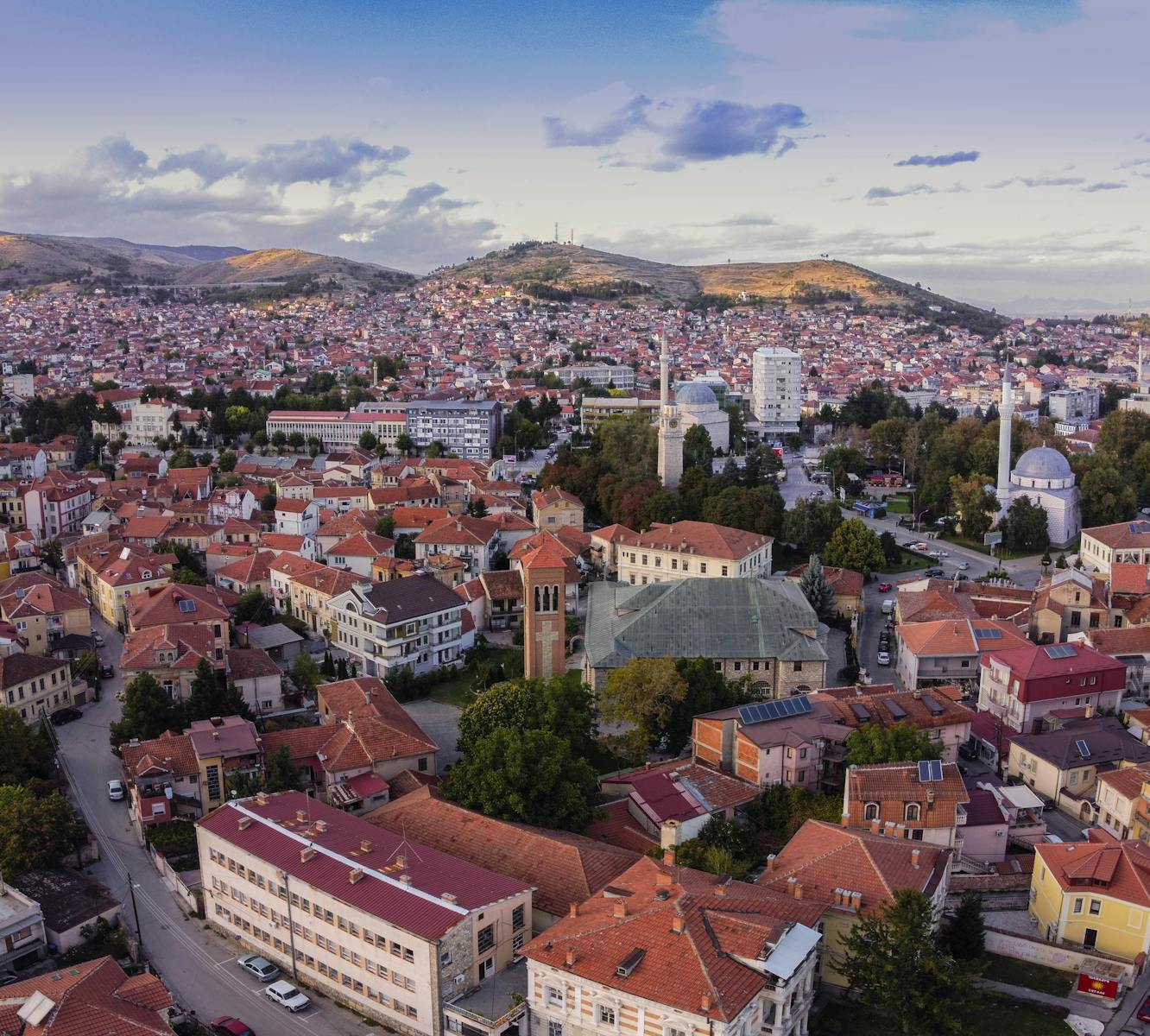
An ancient site featuring well-preserved mosaics, ruins, and a Roman theater.
A lively pedestrian street lined with shops, galleries, and restaurants.
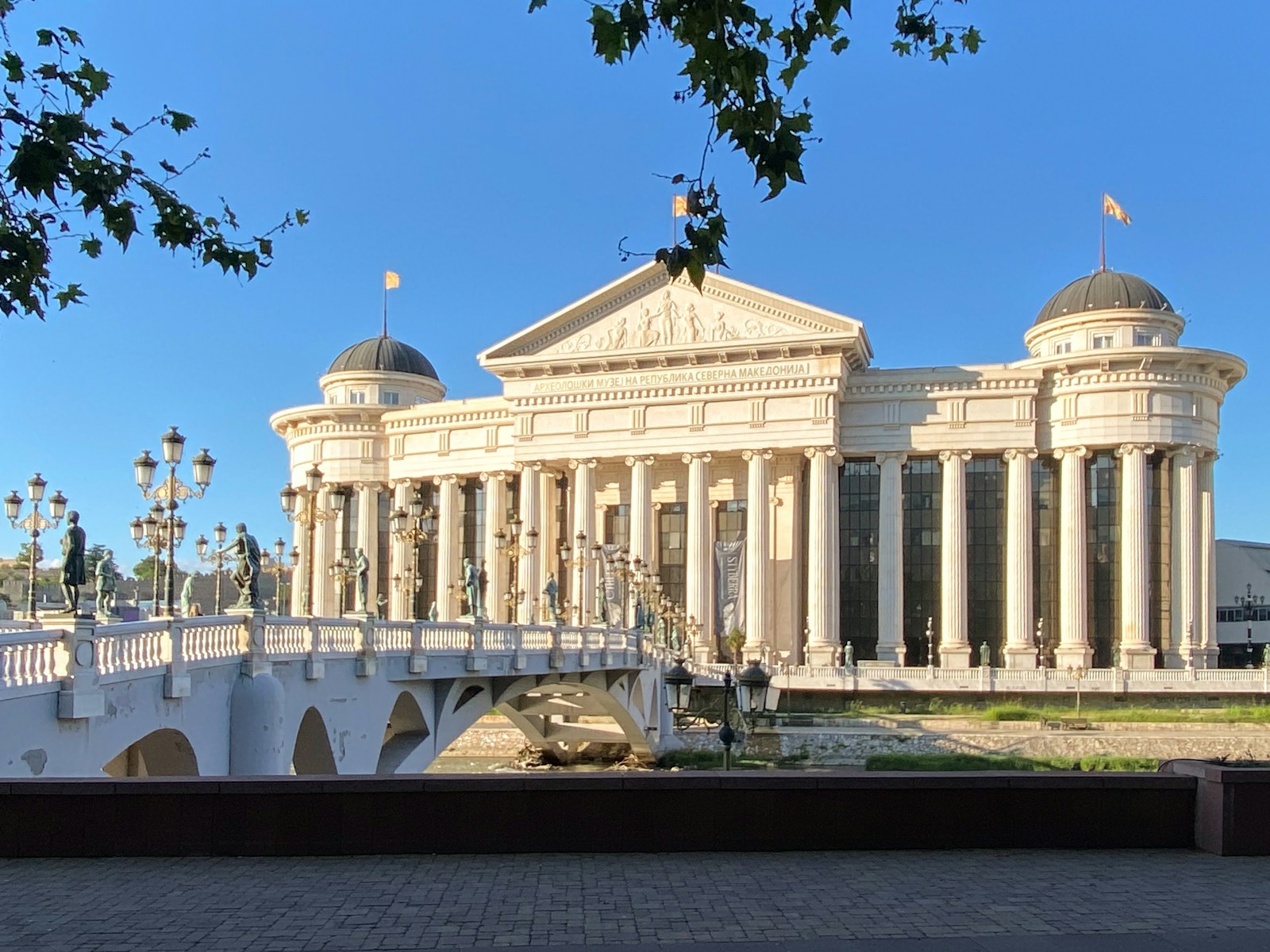
Housed in a beautiful building, it showcases the region’s history and culture.
A city with both historical and cultural significance, often overlooked by tourists.
A beautiful 14th-century monastery with frescoes and a serene atmosphere.
A historic site commemorating the significant battle in the Balkan Wars.
Northern Macedonia’s national parks are ideal for nature lovers and outdoor enthusiasts.
Offers stunning views of both Lake Ohrid and Lake Prespa, with hiking trails and diverse flora and fauna.
Known for its ski resorts in winter and hiking opportunities in summer. The park is home to the picturesque Mavrovo Lake.
An ancient city with well-preserved ruins, including Roman theaters, early Christian basilicas, and mosaics. It offers a glimpse into the region’s rich historical past.
A town located on the shores of Lake Ohrid, known for its poetry festival and beautiful lakeside promenade.
Relax by the lake, enjoy local cuisine, and participate in summer water activities.
While some of these cities may not be as well-known as larger tourist destinations like Skopje or Ohrid, they each offer their own unique attractions and experiences. Visitors can enjoy a more authentic and less commercialized glimpse of Northern Macedonia’s culture and natural beauty by exploring Gostivari, Tetova, Kërcovë, Prilep, Resnjë, and Dibër.
The nearby Shar Mountain is a popular destination for outdoor enthusiasts. It's perfect for hiking, skiing, and exploring nature. The area is known for its diverse flora and fauna, as well as numerous trails for trekkers and nature lovers.
A short drive from Gostivar, Debar Lake offers opportunities for fishing, boating, and picnicking amid stunning natural scenery.
Gostivar has a traditional bazaar where you can explore local shops and experience the town’s culture. It's a great place to sample local cuisine and purchase handcrafted goods.
This Orthodox church is known for its beautiful architecture and peaceful setting. It serves as an important spiritual and cultural landmark in the community.
Located nearby, this historic monastery is set in a beautiful location and is an important pilgrimage site, known for its frescoed churches.
Held annually, this festival features various cultural performances, traditional music, and food, showcasing the local culture and inviting visitors to experience the town's vibrant community life.
About an hour’s drive from Gostivar, this national park offers opportunities for skiing in winter, as well as hiking, horseback riding, and wildlife watching in summer.
(Xhamia e Tetovës): An 18th-century mosque renowned for its vibrant frescoes and intricate architectural details, making it a significant cultural site.
Offers excellent opportunities for hiking, skiing, and enjoying nature. The mountain is known for its diverse flora and fauna.
(Pazari i Vjeter): A charming area with traditional shops, cafés, and a lively atmosphere that reflects the city’s rich cultural heritage.
A cultural and historical site that is a center for Sufi spirituality and a great place to learn about local traditions.
Kërcovë is surrounded by beautiful natural scenery, with opportunities for hiking and exploring the local countryside.
The town itself provides a glimpse into local customs and the way of life in rural Northern Macedonia. The area is less touristy, making it ideal for an authentic experience.
Visitors can explore nearby villages, where they can enjoy local cuisine and witness traditional craftsmanship.
A historic fortress offering stunning views of the town and the surrounding landscape. The site is steeped in legend and history.
A beautiful area filled with traditional architecture, shops, and restaurants where visitors can experience local culture and cuisine.
Known for its stunning frescoes, this church represents a significant part of the region's Orthodox heritage.
As Prilep is known for its tobacco production, the museum showcases the history and importance of tobacco cultivation in the area.
The town is situated near the stunning Lake Prespa, which is perfect for outdoor activities such as hiking, fishing, and bird watching.
A historical building that reflects the local architecture and history.
Local festivals and events often take place, highlighting the rich traditions and customs of the region.
Located near Lake Ohrid and Lake Prespa, Dibër provides opportunities for swimming, boating, and enjoying the lakeside scenery.
A significant religious site located near Dibër, known for its history and beautiful surroundings.
The area surrounding Dibër offers scenic landscapes with mountains, forests, and rivers, ideal for nature lovers and outdoor activities.
Follow us on:
Share this website:
Copyright ACC 2026